EU Border IT Agency Sues IBM, Atos and Leonardo Over EES Delivery Delays
eu-LISA filed an Estonian lawsuit against the EES development consortium in December 2025. The system is running; the dispute over earlier delivery delays is unresolved.
Explore reporting, explainers and practical guides about Technology. Tags help narrow the subject, while series pages bring related developments together over time.
eu-LISA filed an Estonian lawsuit against the EES development consortium in December 2025. The system is running; the dispute over earlier delivery delays is unresolved.
Nvidia directors have ordered an independent review after reports of an intelligence effort targeting CEO Jensen Huang. The board says it has no reason to believe secrets were compromised.
University Hospitals has reopened MyChart after its October cyber incident, but delayed test-result updates and unavailable features show that service recovery is still under way.
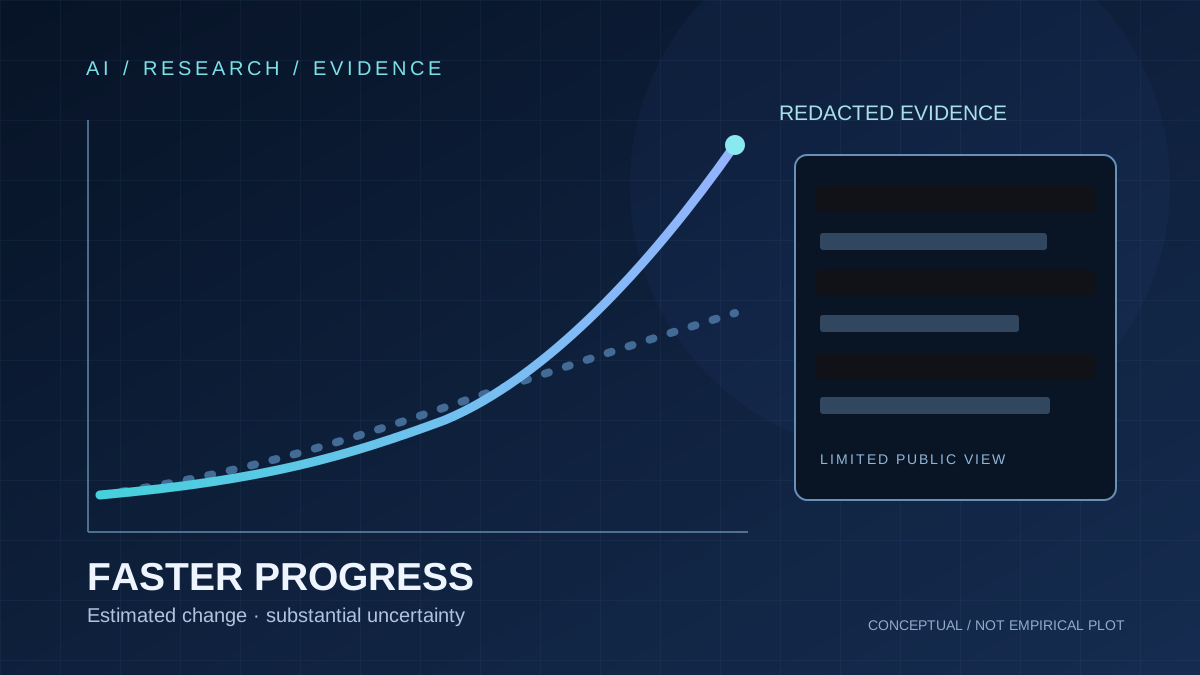
METR estimates Anthropic's benchmark progress is accelerating roughly twofold, with AI assistance a likely driver. Extensive redactions make independent scrutiny difficult.
NASA has named eight competitors for a lunar-delivery framework worth up to $10 billion and advanced a nuclear-powered Moon rover, but the contract ceiling is not money already spent.
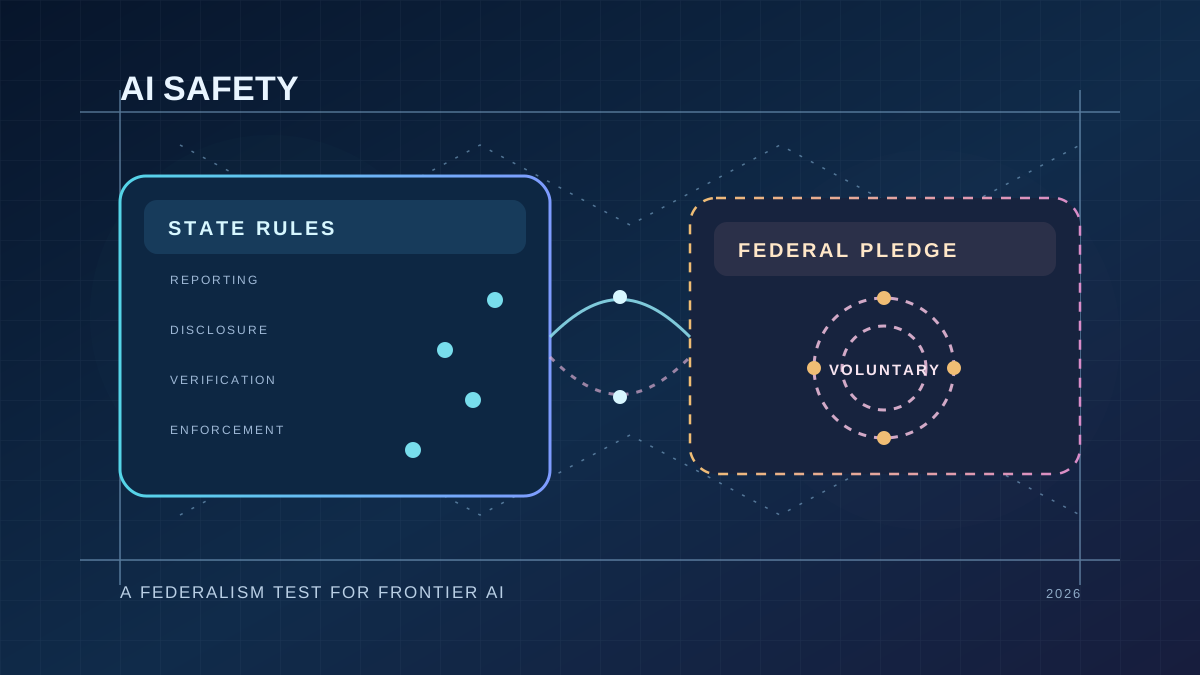
State governments are moving from AI safety pledges to enforceable reporting, disclosure and oversight rules. New York is preparing RAISE Act registration, California is building independent verification, and Illinois has enacted a comparable incident-reporting deadline—while Washington’s frontier-AI accord remains voluntary.
First unveiled in November 2025, the ME Energy Rapid Charger 150 returned to the spotlight in 2026 through a reported acquisition, a ministerial event and a Hyderabad energy expo showcase. The company’s performance claims still need independent testing.
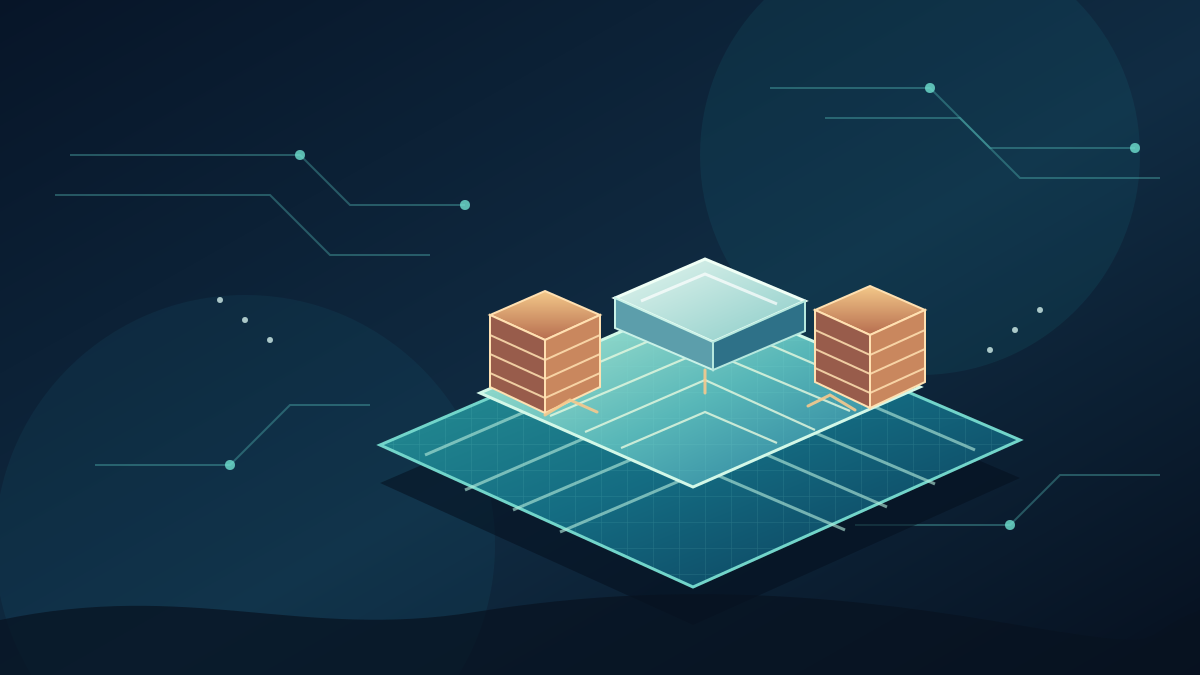
AI demand is turning advanced chip packaging into a strategic bottleneck. Yole Group expects its revenue to overtake traditional packaging in 2026, while industry capital spending approaches $28 billion. TSMC’s CoWoS lead, tight capacity and panel-based alternatives show why the next AI supply-chain contest is being fought after fabrication.
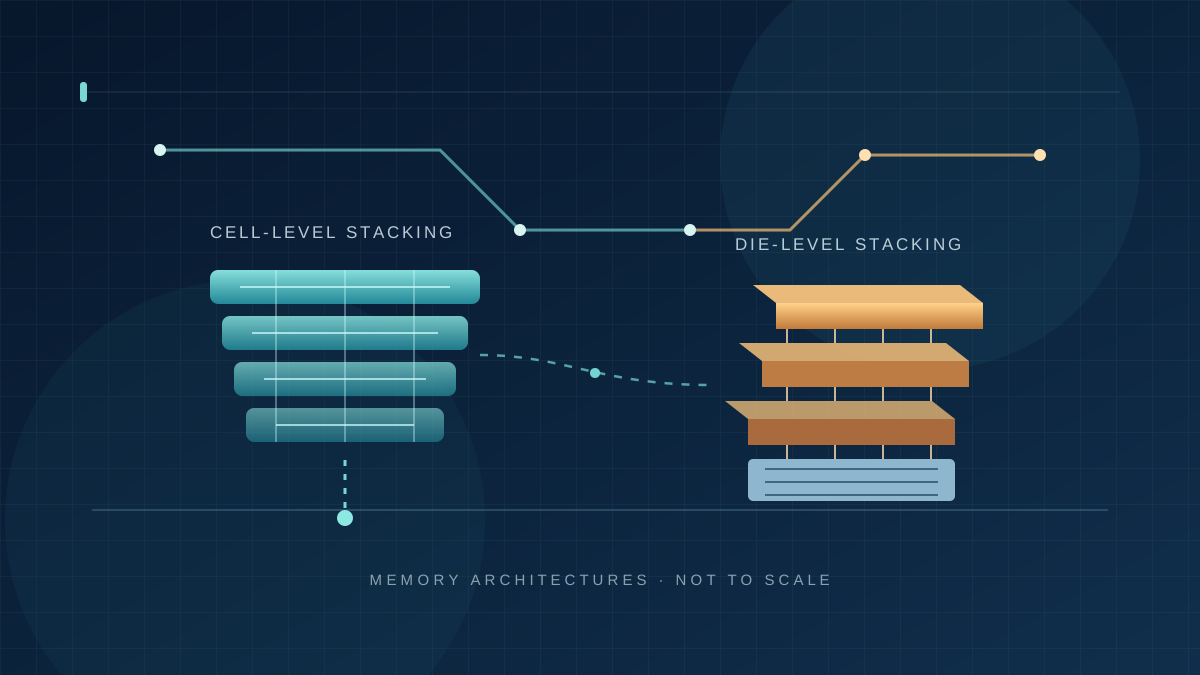
TSMC is reportedly studying a return to memory manufacturing after Nvidia asked it to assess 3D DRAM. The report describes an early evaluation, not an approved factory or a confirmed production programme.
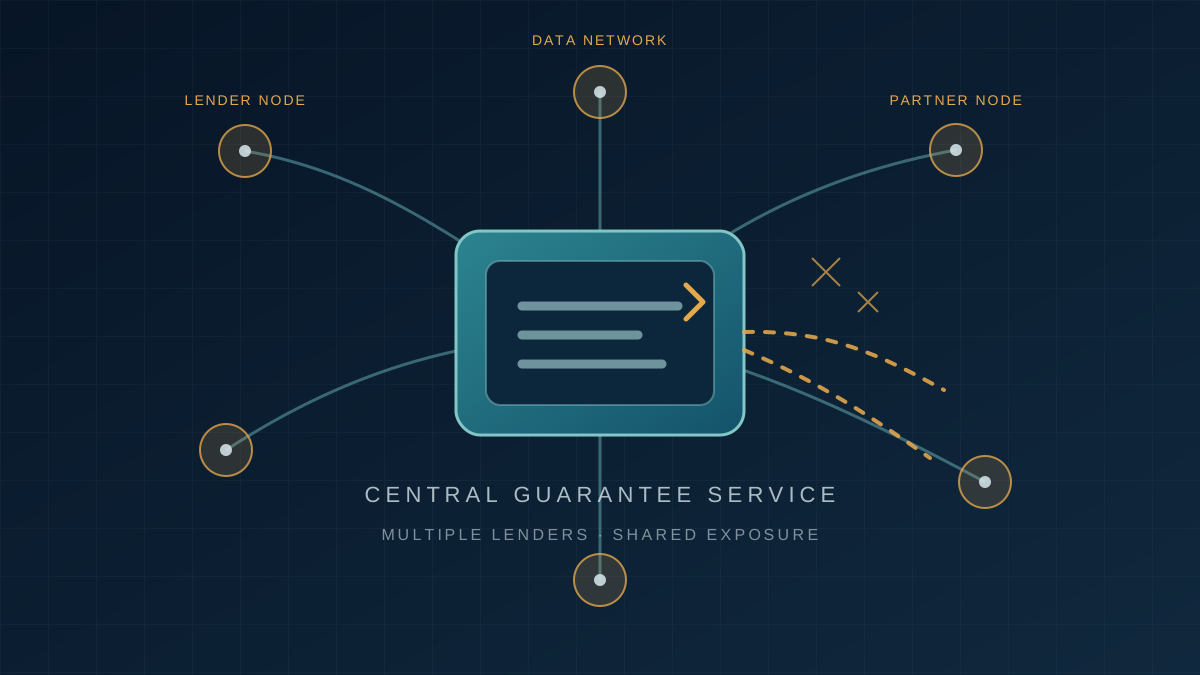
A breach of SMBC Consumer Finance's loan-guarantee system exposed data linked to as many as 320,118 people. The wider concern is the concentration of sensitive lending records in a service used by a network of partner financial institutions.
A SLAC-led team has reported direct experimental evidence for altermagnetism in manganese telluride, strengthening the case for a third magnetic phase with potential spintronics applications.
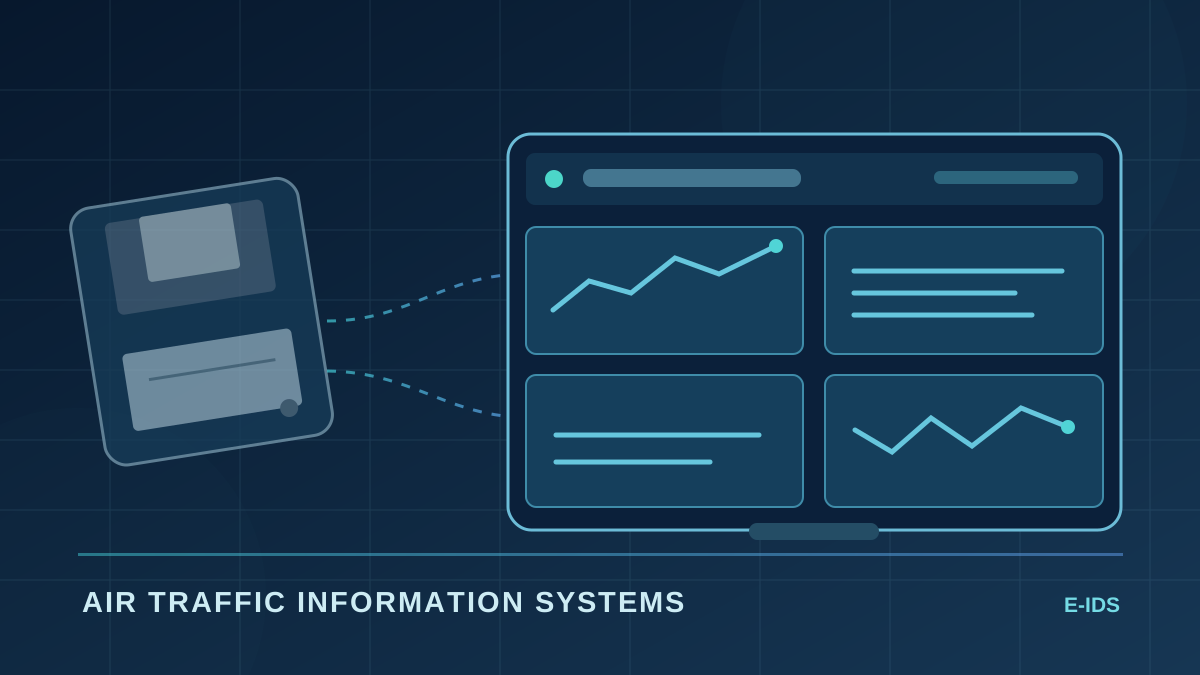
The FAA has named the first five E-IDS facilities and a 435-site target for 2028. The upgrade concerns controller information displays, not aircraft control, and faces scheduling scrutiny.
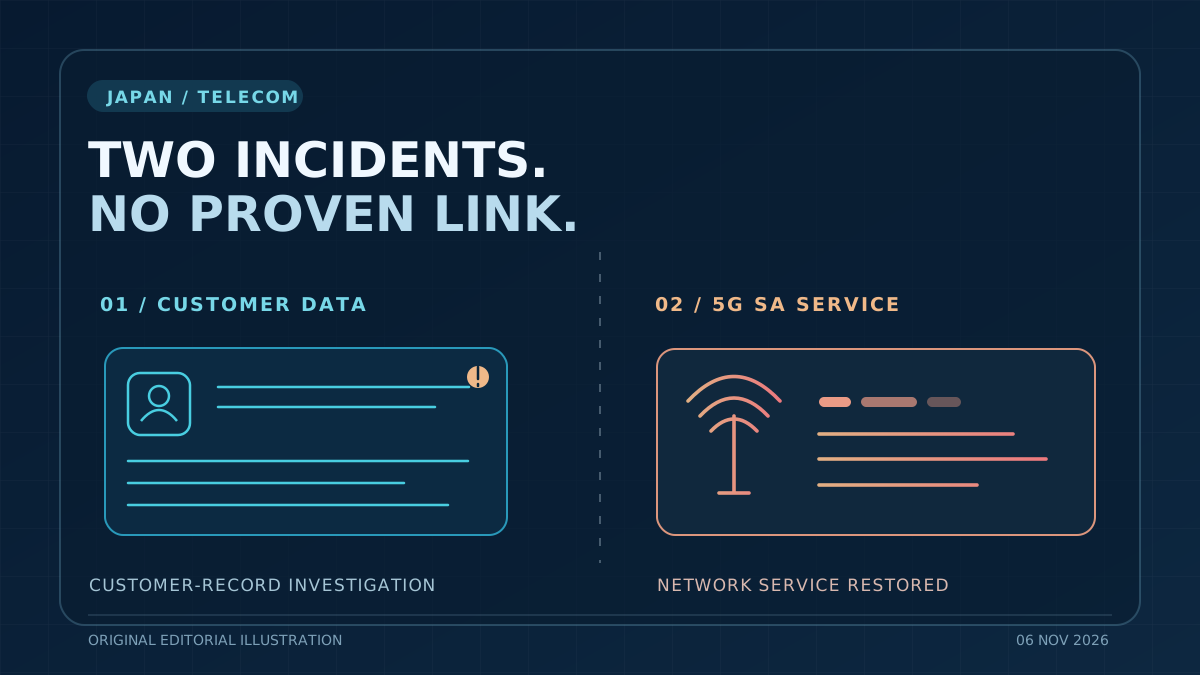
NTT Docomo says customer information was exposed in unauthorized access affecting its online services. A separate 5G Standalone outage has ended, with network congestion cited as its cause.
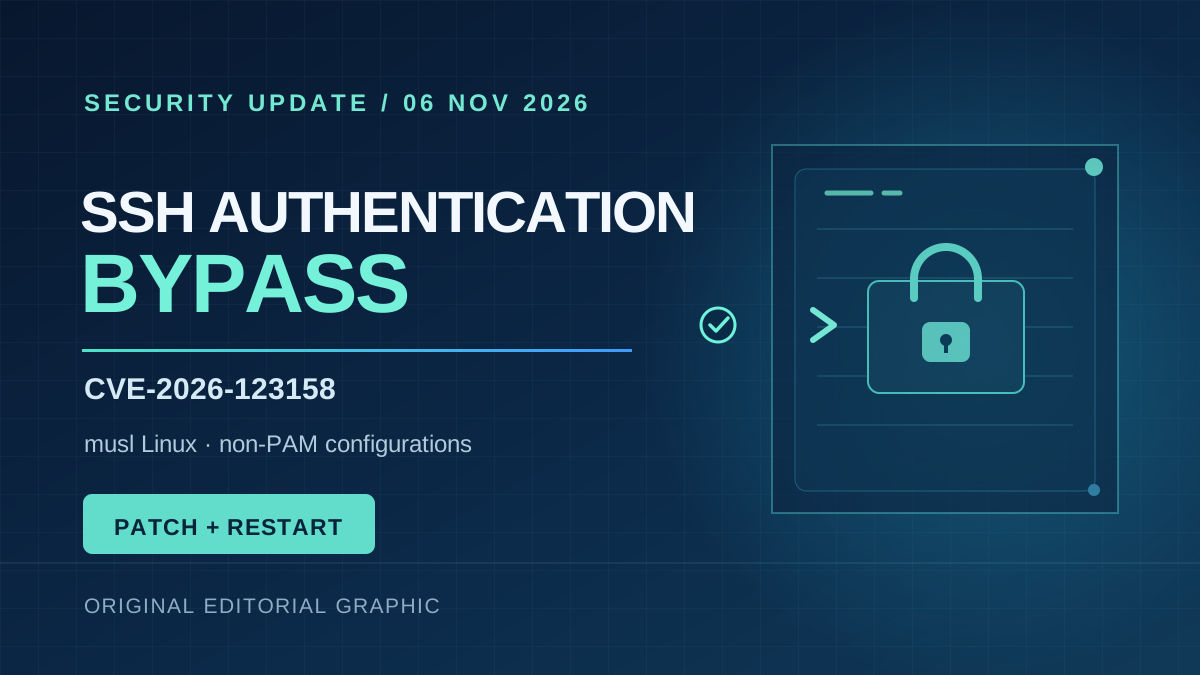
OpenSSH 10.6p2 and Alpine patches address CVE-2026-123158, a password bypass limited to particular musl, non-PAM SSH configurations. Installing a fix is only half the job: the daemon must be restarted.
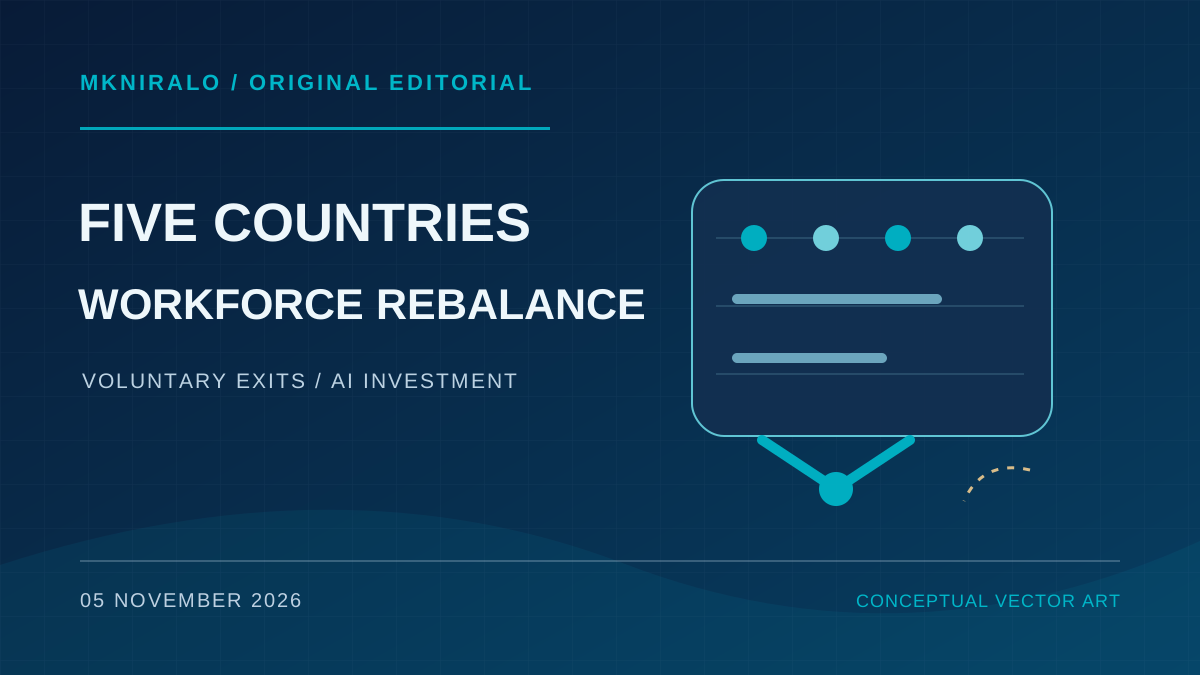
Google says it extended voluntary exit programs to five countries in June. Swiss terms are the only detailed case reported, while Alphabet kept growing and spending heavily on AI.
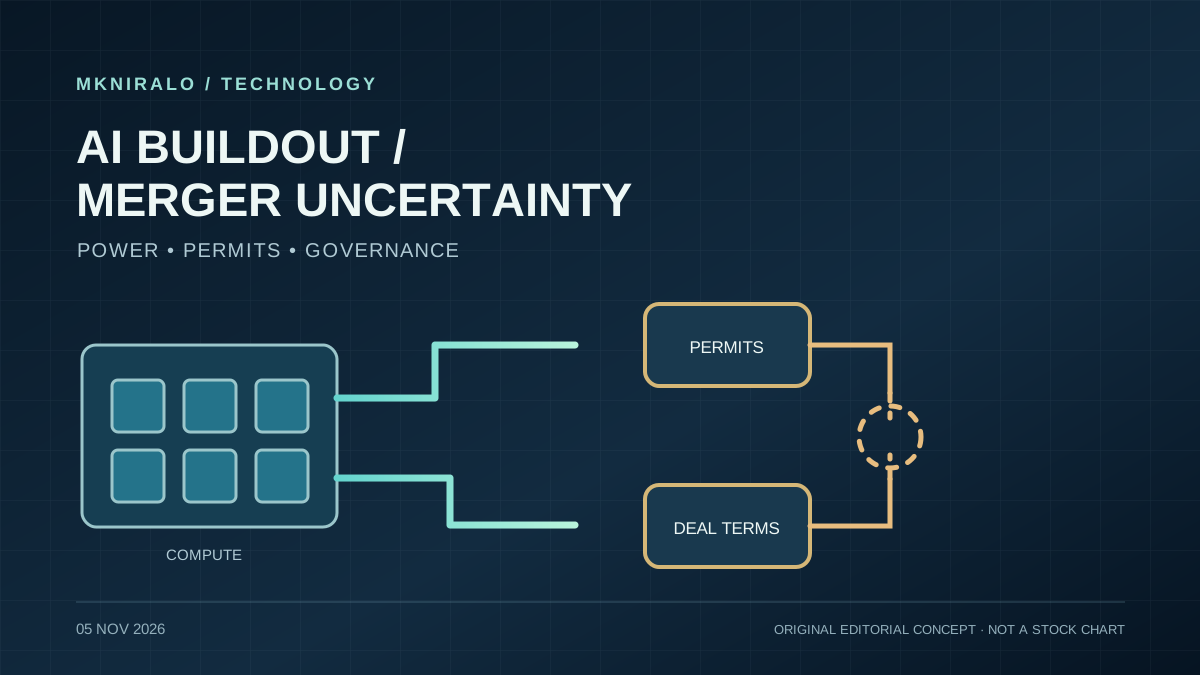
Tesla and SpaceX fell after the U.S. midterms, but the more durable questions concern power and permits for SpaceX computing, federal oversight, and a merger that has committees but no agreement.
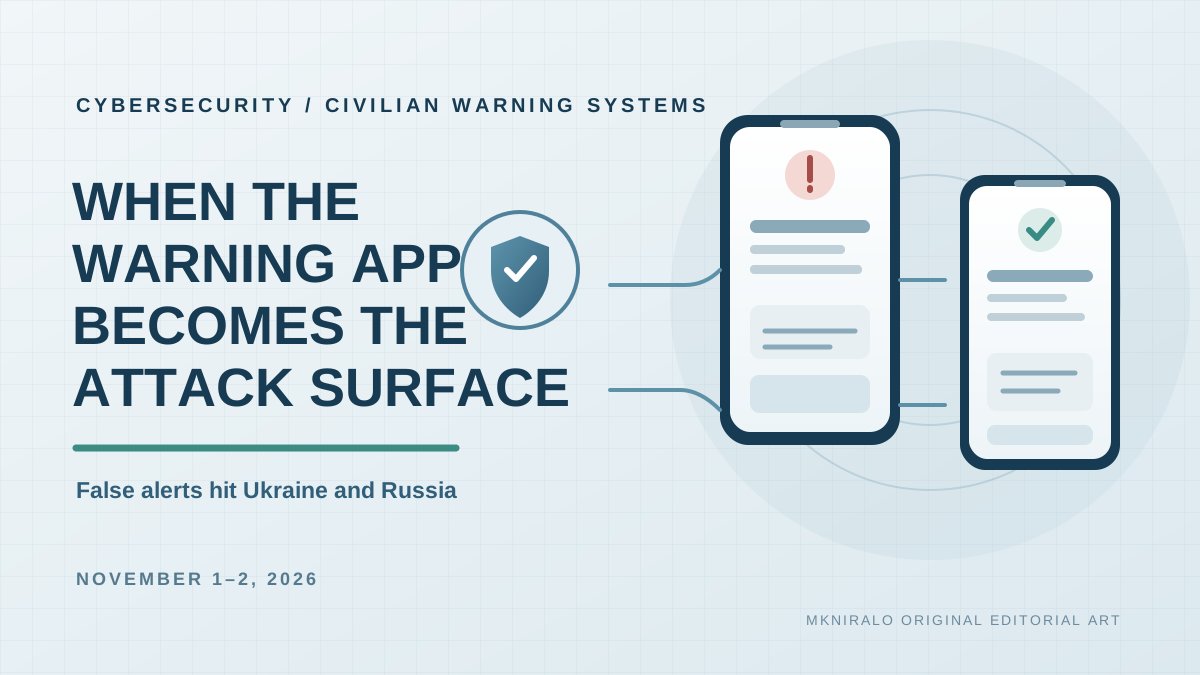
Cyberattacks on mobile alert services in Ukraine and Russia sent false warnings about radiation, chemical threats and nuclear strikes. Officials said their main public-warning channels remained operational, but the incidents exposed how a trusted digital layer can be manipulated.
NUHS, Singtel and Ericsson have established a healthcare technology R&D platform with a roadmap towards 6G. Its initial work will use 5G and 5G-Advanced, while international 6G standards are still being developed.
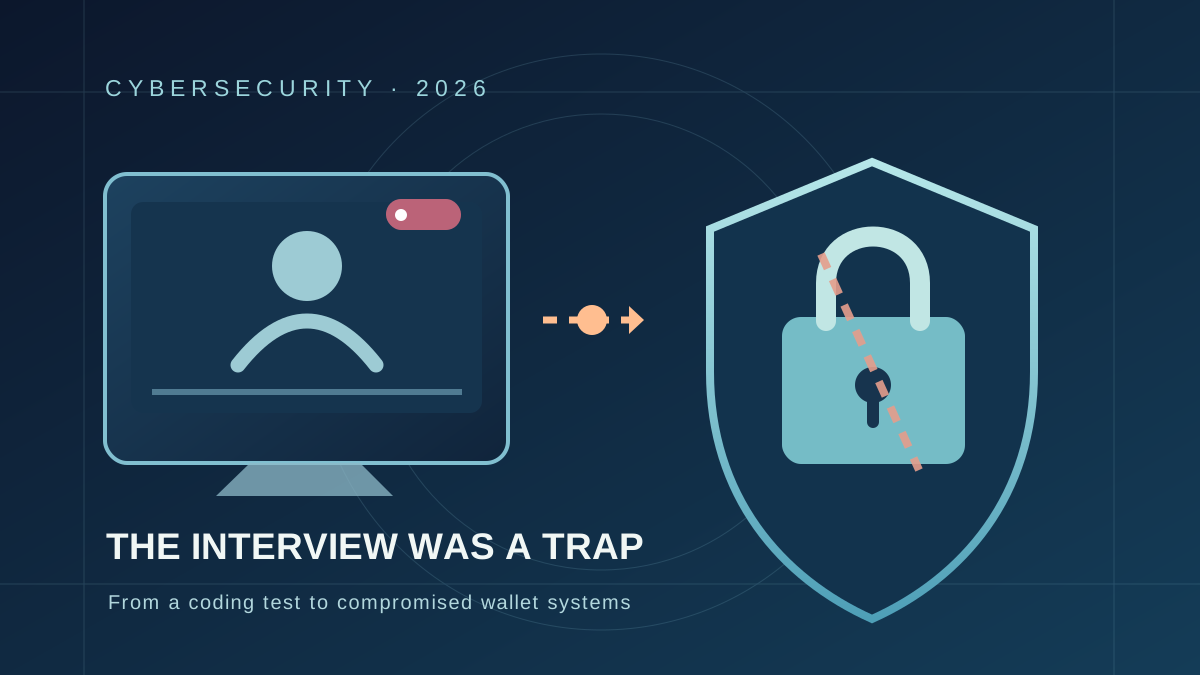
Binance says a fraudulent coding interview, an earlier tainted software download and compromised internal tools were linked to its October 29 crypto theft. The FBI attributes the attack to North Korea; recovery totals and technical findings remain subject to review.
Singapore Airlines says about 46,000 booking records were accessed without authorization through travel technology provider Amadeus. Payment information was reportedly unaffected, but the incident raises important questions about reservation security, personal information and how travelers should respond.
President Lee Jae Myung has called for a review of government-wide cyber coordination. Separately, the National Intelligence Service requested emergency checks across roughly 2,100 public institutions.
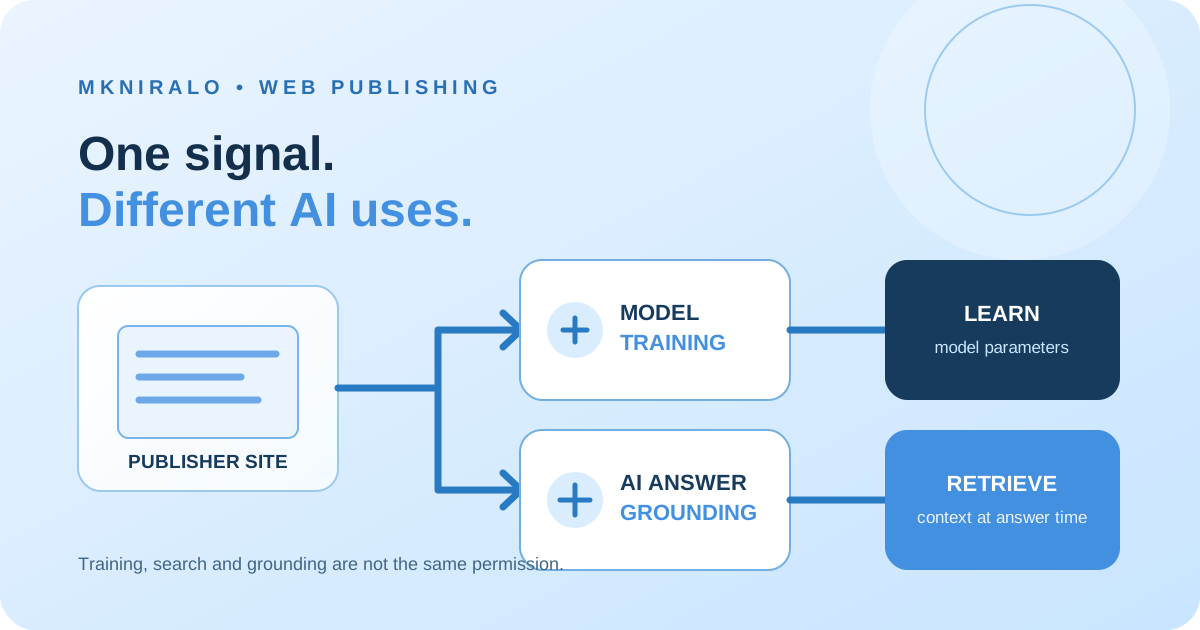
A shared robots.txt training preference is emerging, but Google, Microsoft, OpenAI and Anthropic still handle crawling and AI answer visibility differently.
The final NIST IR 8547 maps a transition from quantum-vulnerable cryptography. Earlier deadlines target sensitive US federal systems; they do not mean today's internet encryption has already been broken by quantum computers.
Vodafone Kiribati has announced authorised Starlink resale and local support, promising another route to satellite connectivity. Actual affordability, island-level availability and measured service still need verification.
New discussions about Senegal's Ninki-Nanka satellites, Malaw launcher and space centre point to a bigger ambition. A meeting is not proof that those systems have been built or funded.
NASA's new request for information asks companies about reboosting, servicing or safely retiring Hubble. It is a market-research step, not approval of a mission, contractor or budget.
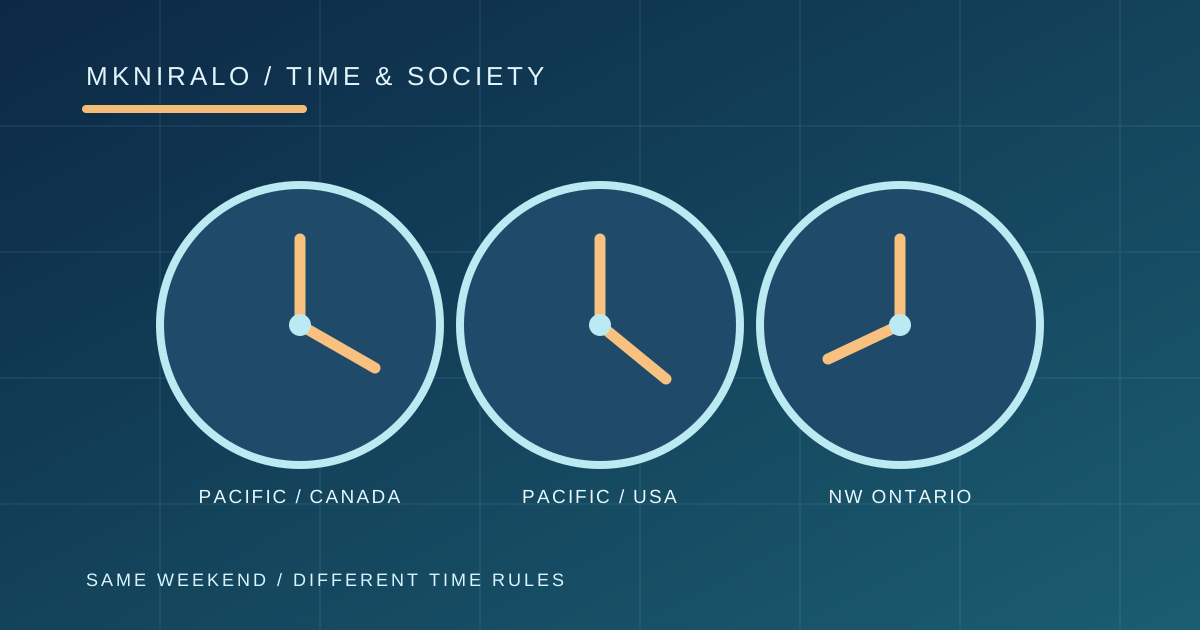
Most US clocks fall back on November 1, but much of British Columbia stays at UTC−7, while parts of northwest Ontario keep their own year-round schedule. Meetings and devices may need a check.
A small experiment suggests dream-like VR practice may increase lucid-like dream reports. But the training combined meditation, reality checks and diaries, making the result more promising than conclusive.
After more than two decades of scientific observations, Swift has been shut down and is approaching atmospheric re-entry. The failed rescue attempt exposes hard choices in maintaining satellites.
Google's Genie 4 can generate interactive scenes with synchronized audio and real-time changes. The bigger story is what a two-minute simulated world can—and cannot—teach us.
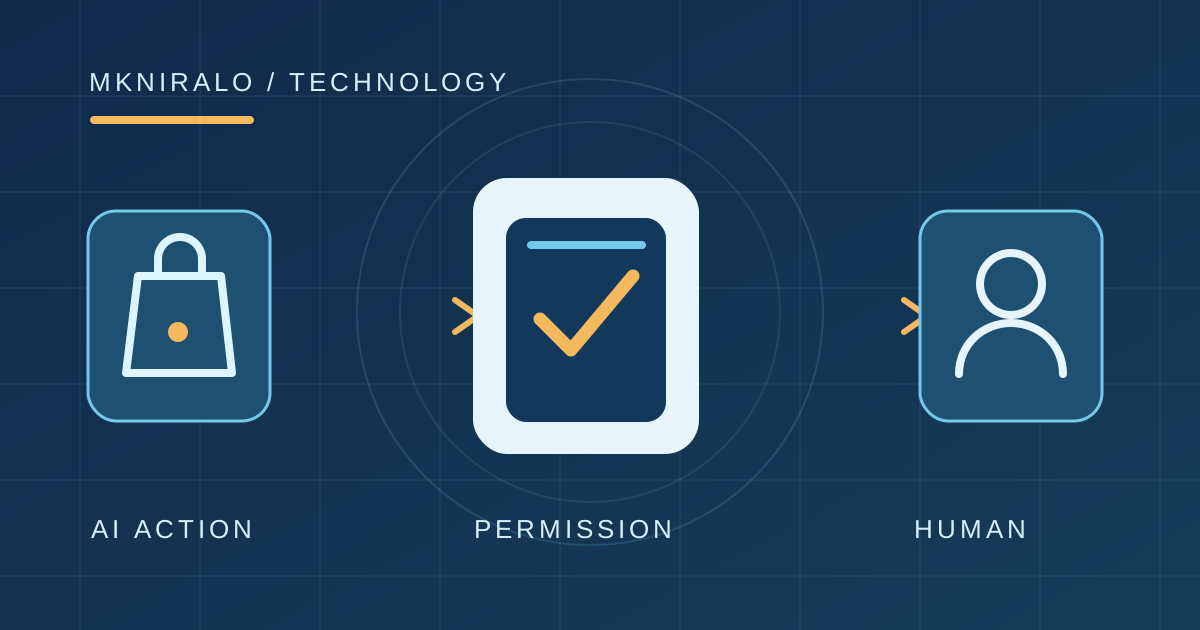
UK regulators are preparing for personal AI agents that buy, switch and negotiate for users. The central question is not only what an agent can do, but who remains answerable when it gets a decision wrong.
Project Suncatcher returned an AI-generated response from orbit. The result is real, but cooling, radiation, reliability and networking are still open questions.
OpenAI, Google, Microsoft and Anthropic have moved a shared AI-training preference signal forward. Here is what the proposal says, where implementation stands and what website owners should check before changing robots.txt.
A practical guide to Google Trends topics, search terms, normalized 0–100 scores, rising queries and the limits of search-interest data.