Tunisia's 2027 Budget Promises Jobs and Public Investment. The Financing Gap Is the Hard Part.
Tunisia’s 2027 draft promises public jobs, subsidies and development credits, but financing needs and an official deficit discrepancy complicate the plan.
Explain macroeconomic statistics, policy tradeoffs and uncertainty without personal investment recommendations or unsupported forecasts. Coverage is presented with data-literate, concise, balanced and careful to separate advance estimates, forecasts and final data.
Morgan is a MKNIRALO house editorial byline for evidence-led coverage of economic statistics, central bank policy, business cycles and the cost of living. The byline is maintained by MKNIRALO, not an independently verified individual.
For publication-wide information about AI assistance, source standards and corrections, see the Transparency page and Editorial Policy. All authors and bylines
Tunisia’s 2027 draft promises public jobs, subsidies and development credits, but financing needs and an official deficit discrepancy complicate the plan.
Mexico's October inflation rose to 3.75% after Banxico had cut rates to 6.25%. The sequence shows why remaining inside a target band is not the same as reaching the goal.
Philippine GDP grew only 2.1% year on year in the third quarter as farms shrank and consumer spending slowed, leaving a difficult path to the government’s 2026 growth target.
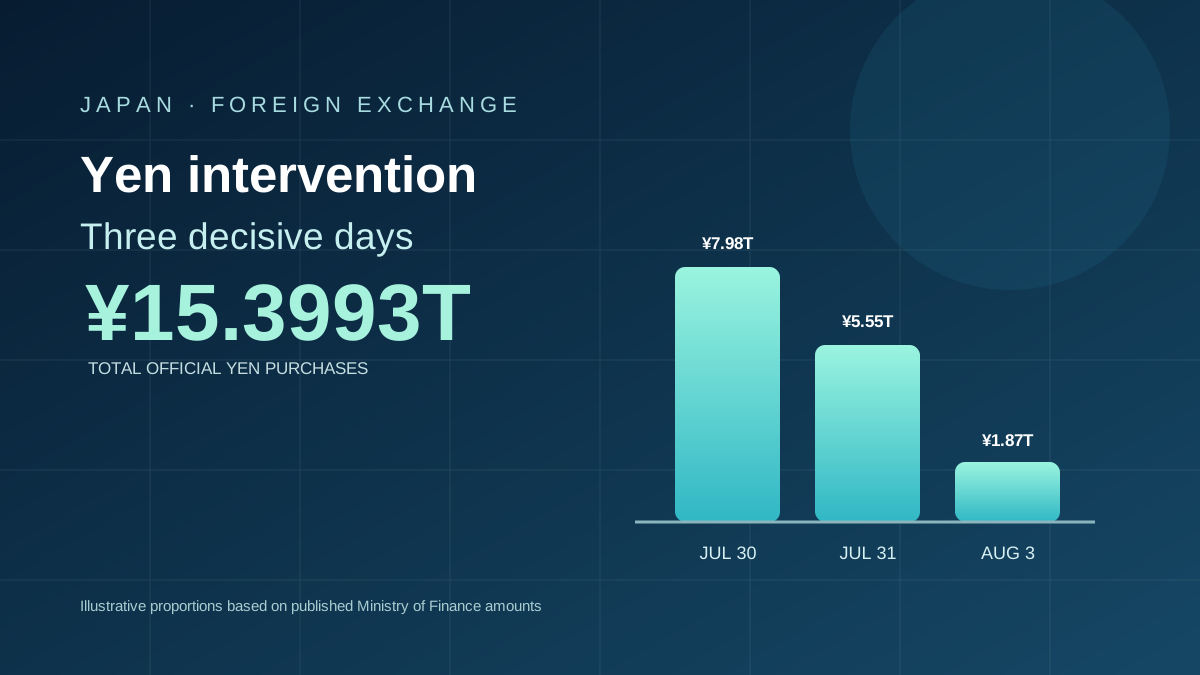
Japan disclosed a record ¥7.9756 trillion yen-buying operation on July 30 and two further intervention days, totaling ¥15.3993 trillion, including a coordinated U.S. action.
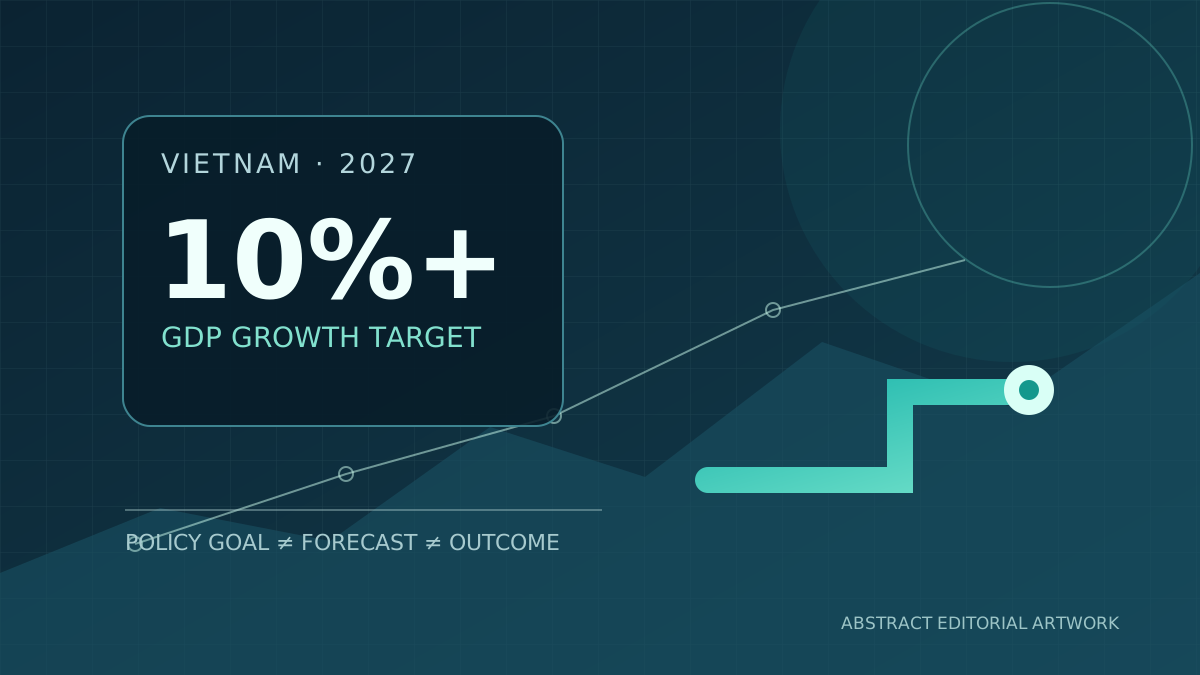
Vietnam's lawmakers adopted a plan targeting at least 10% GDP growth in 2027, with per-capita output near $6,100 and CPI around 4.5%. These are policy goals—not forecasts or achieved results.
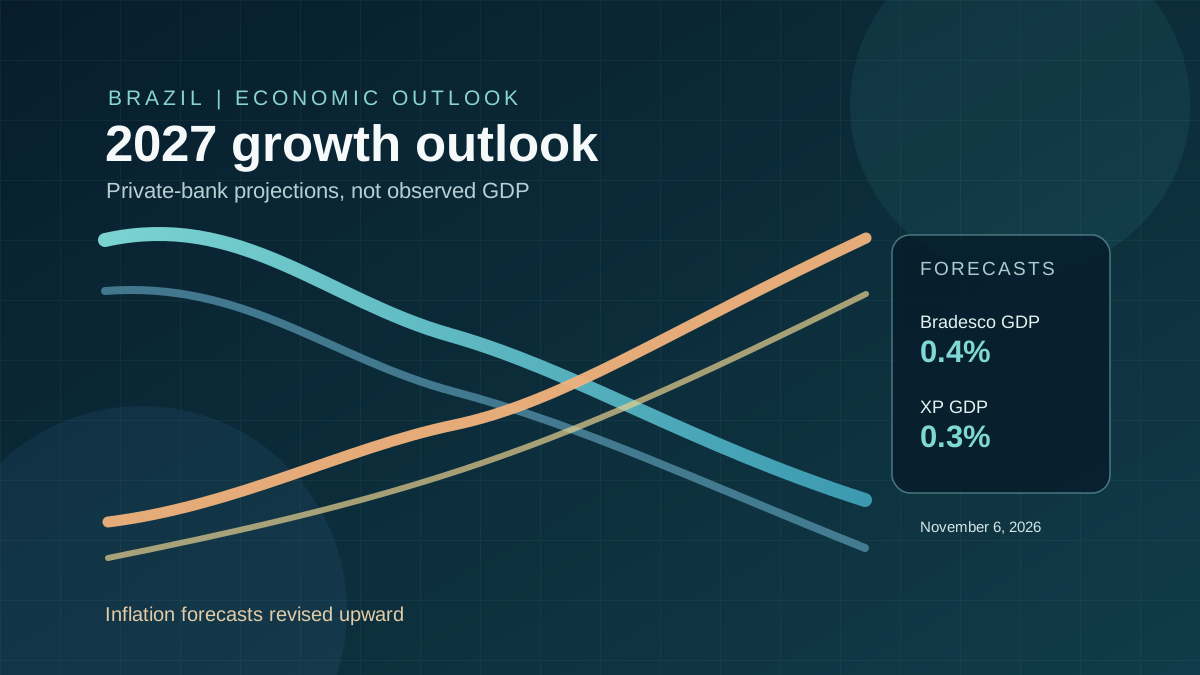
Two major Brazilian financial institutions now expect growth of just 0.3%–0.4% in 2027. Their sharply revised forecasts also point to higher inflation, but they are predictions, not measured economic results.
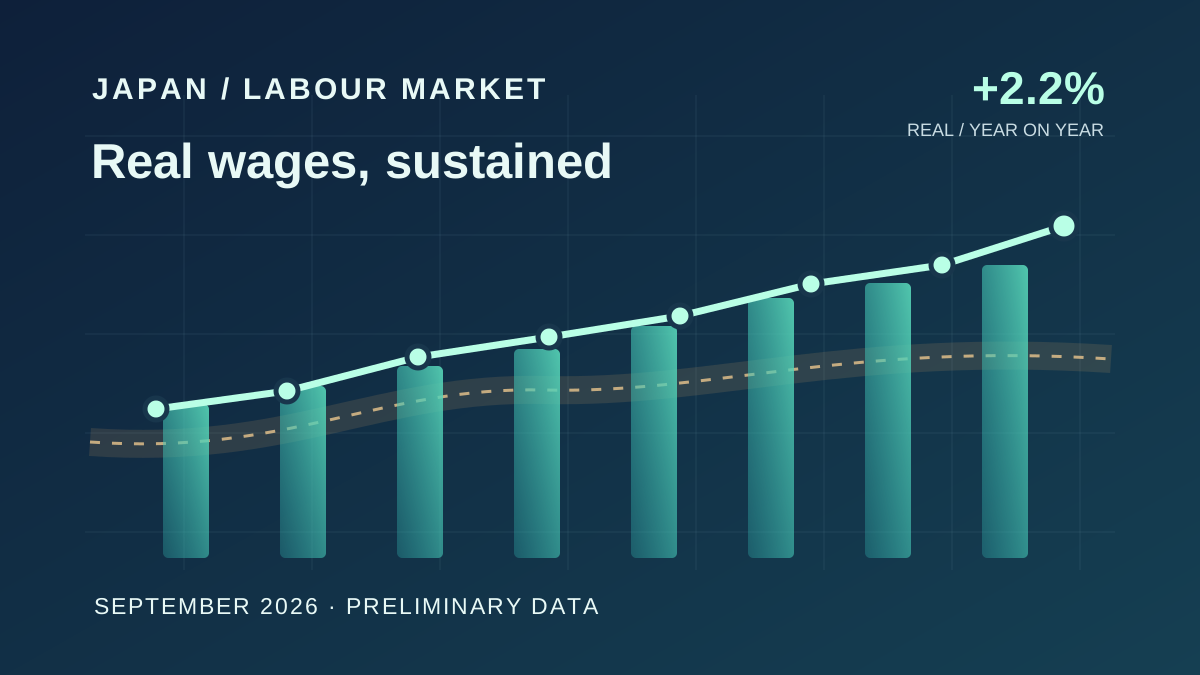
Japan’s preliminary September payroll data show a ninth month of real wage growth and stronger base pay. A statistical distortion in special payments complicates the nominal headline.
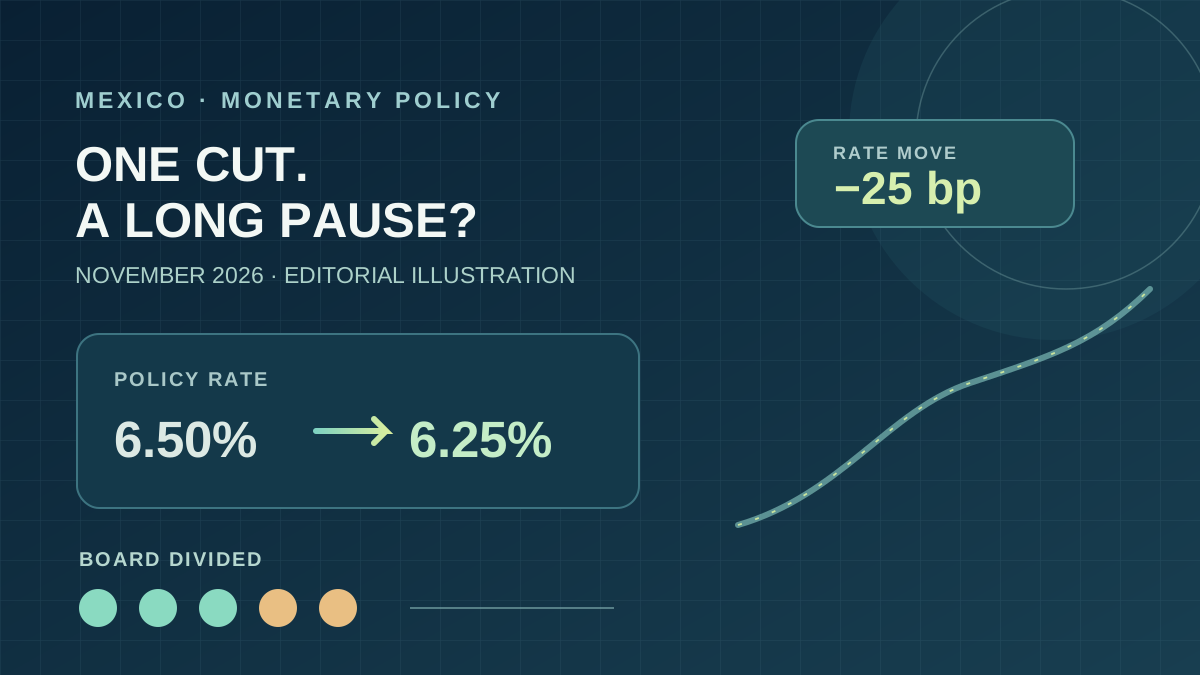
Mexico's central bank lowered its policy rate to 6.25% in a divided vote even as it raised near-term inflation forecasts. The message was a one-off adjustment, not a promise of more cuts.
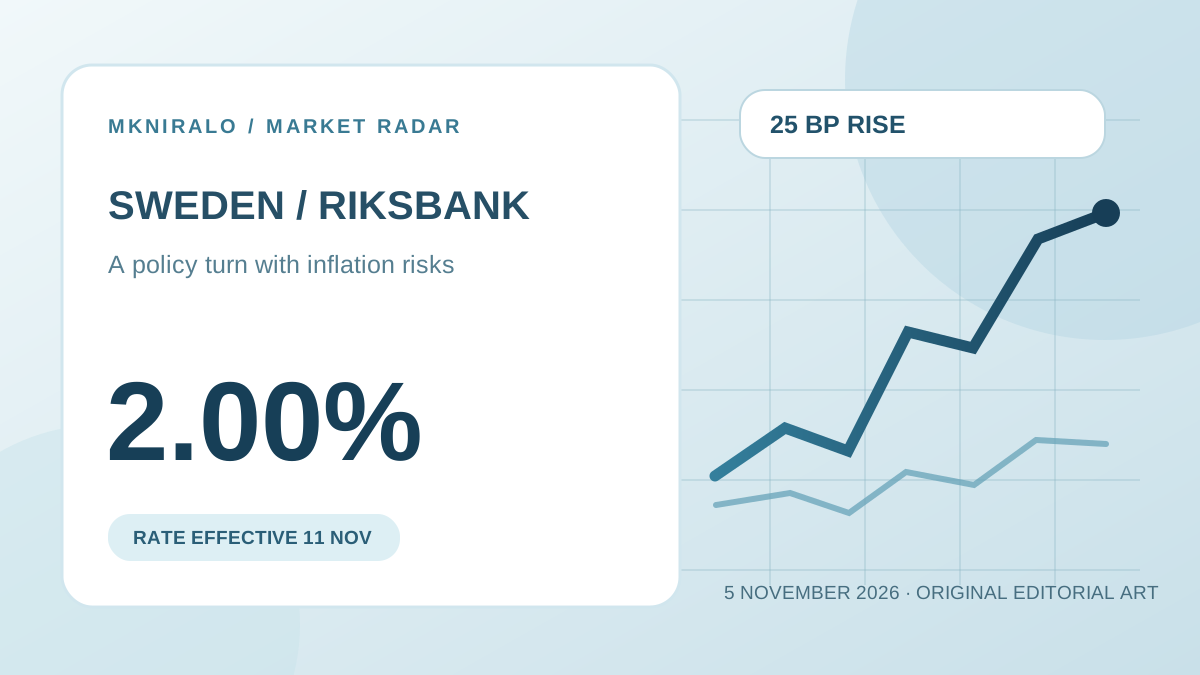
Sweden’s Riksbank raised its policy rate by a quarter point to 2%, effective 11 November, and left the door open to further increases despite September headline CPIF inflation of 1.5%.
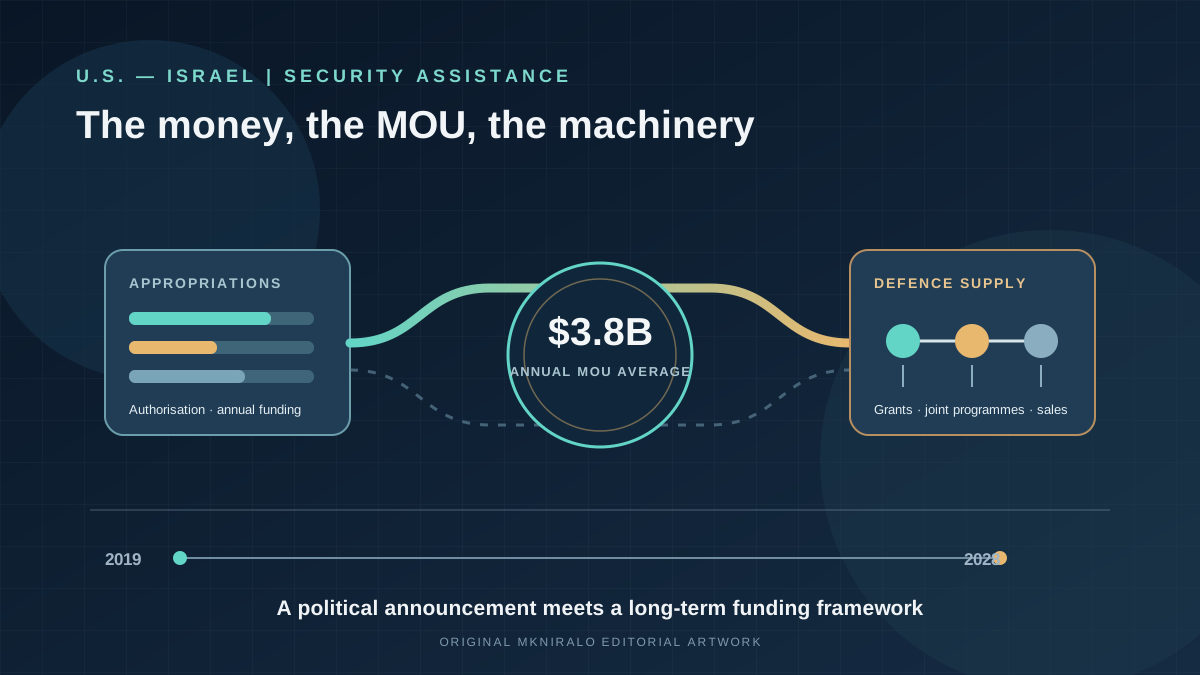
Trump's November 3 announcement points to an early end to roughly $4 billion in annual U.S. assistance, but the 2019–2028 memorandum, congressional appropriations and existing weapons commitments leave the mechanics unresolved.
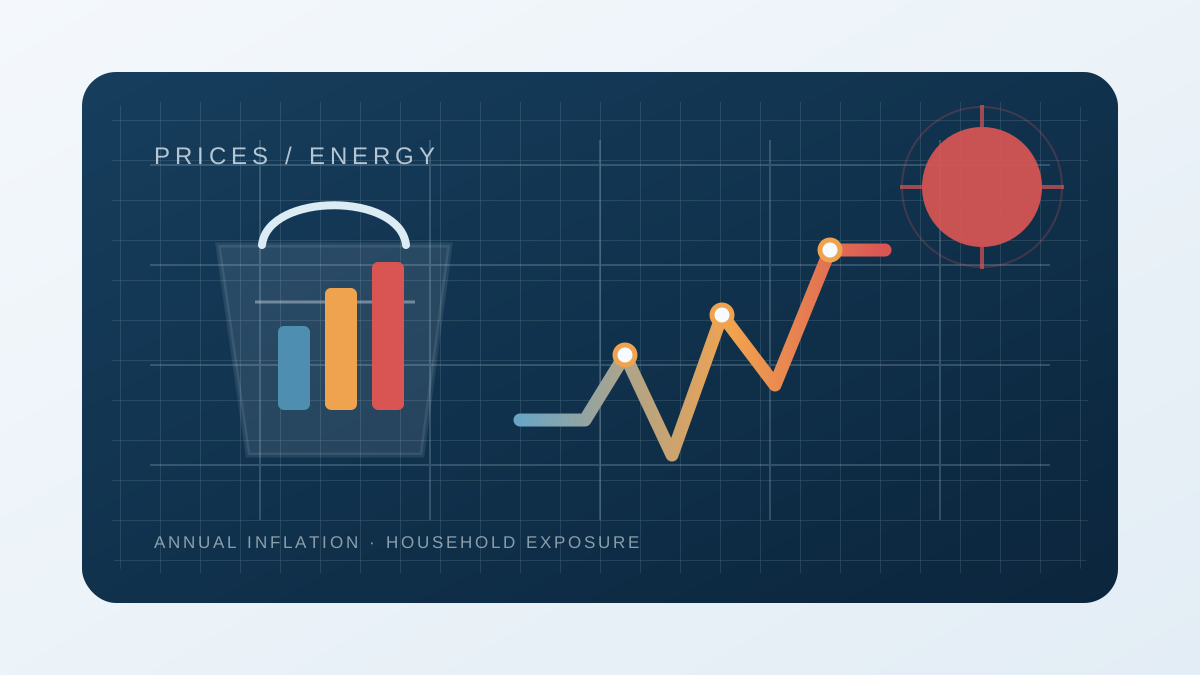
INSEE’s provisional October estimate puts French CPI inflation at 3.4%, with energy prices up 24.1% year on year. The gap between the national CPI, the HICP and individual household bills matters.
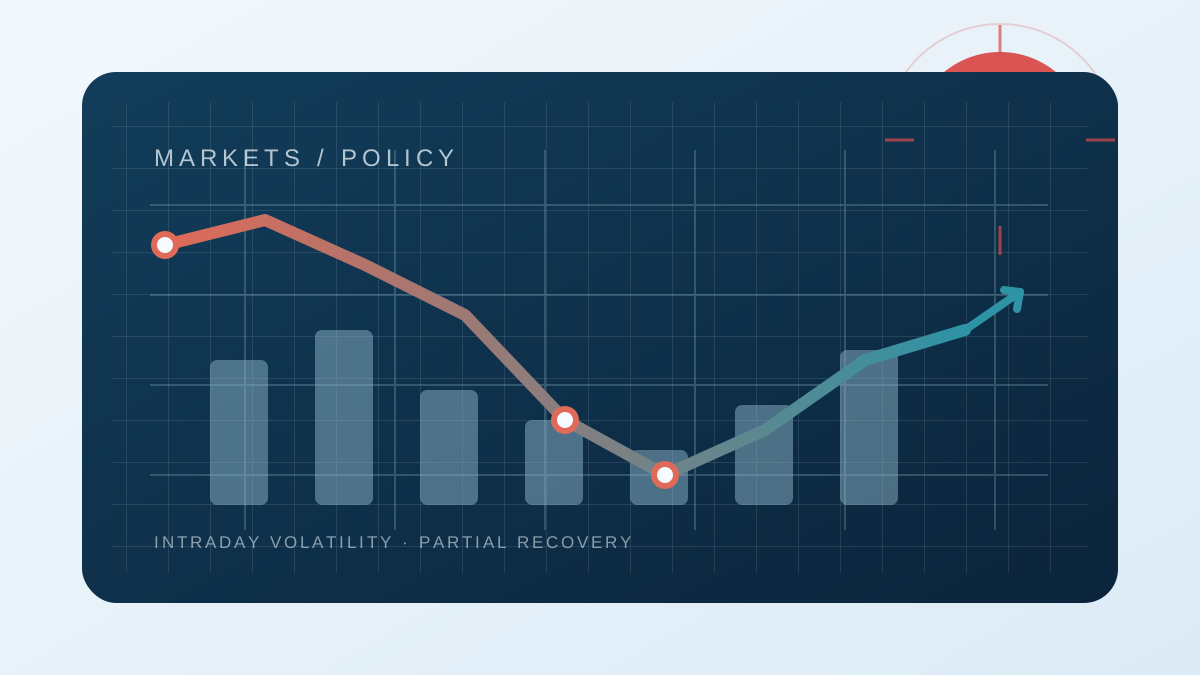
Japan’s benchmark touched an intraday low about 4.8% below its previous close after Democrats took both chambers of Congress, then recovered to finish down 1.42%. The difference between the low and the close—and the index’s technology weighting—matters.
China's central bank will raise financial institutions' foreign-exchange reserve requirement from 4% to 6% on November 15. The move affects foreign-currency liquidity, not the renminbi deposit reserve ratio.
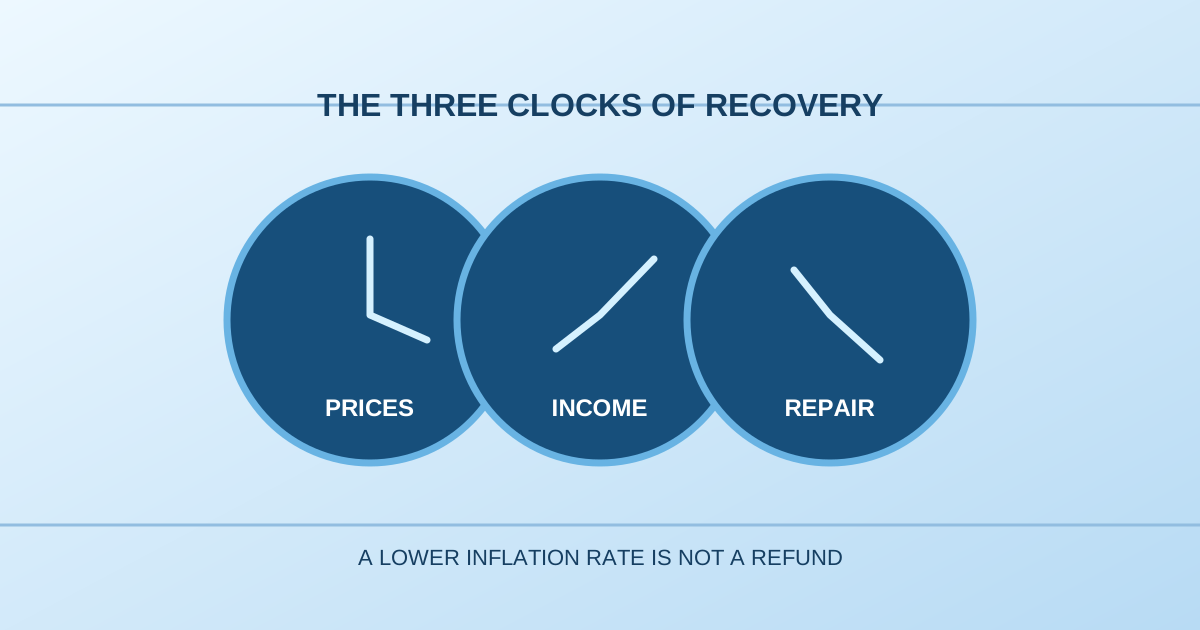
Slower inflation is not the same as restored purchasing power. Using Argentina's official data, this original long-form essay develops and stress-tests a three-clock framework for economic recovery.
Nationwide's October data shows annual house-price growth at just 0.5%, while mortgage approvals have fallen. A stagnant price tag does not automatically create an affordable home.
August output was flat and September's early estimate points down, but Canada's central bank just raised its policy rate. The tension is between weak activity now and inflation it expects to persist.