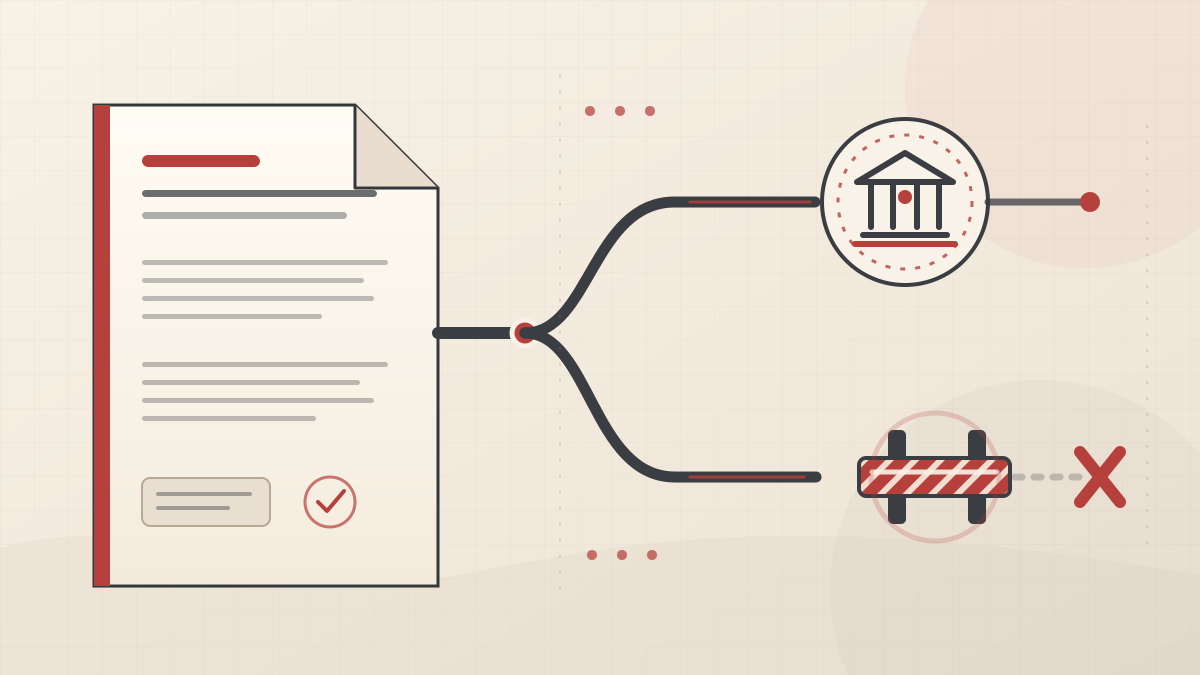
Poland’s domestic enforcement framework for the European Union’s Digital Services Act (DSA) took effect on 6 November, giving the President of the Office of Electronic Communications (UKE) the role of national Digital Services Coordinator. The change creates a clearer route for users to complain about alleged DSA breaches and gives Polish authorities a statutory structure for supervision, investigations and fines. It does not mean the EU regulation has only now begun to apply, that UKE directly supervises every platform available in Poland, or that a separate system for blocking illegal content is already in force.
A national framework took effect on 6 November
The Act of 4 September 2026 amending the Act on the Provision of Electronic Services and Certain Other Acts was signed by the Polish president on 25 September. It was published in the Journal of Laws on 6 October as item 1296 and entered into force on 6 November. The measure establishes the domestic institutions and procedures for enforcing Regulation (EU) 2022/2065. The DSA itself has applied across the European Union since 17 February 2024; Poland’s November change is not the launch of a new EU-wide platform rulebook.
UKE says its president had already performed some coordinator functions since May 2025 under a Council of Ministers resolution, mainly through European cooperation and information exchange. The new law expands that role by assigning complaint handling, supervision and enforcement powers in domestic law. It is the first of two national measures discussed in the implementation process, not the completion of every mechanism connected with the DSA.
Sources: UKE President Appointed as Coordinator for Digital Services. New Tasks and Powers for UKE · Implementing the Digital Services Act in Poland · Poland’s UKE to Oversee Digital Services Act Rights From 6 November · Complaining about online platforms in Poland: DSA from 6 Nov 2026
UKE becomes the main route for complaints
Under Article 53 of the DSA, a recipient of a digital service may complain to the Digital Services Coordinator in the member state where that person is located or established. In Poland, the President of UKE will review complaints alleging that an intermediary service provider has breached obligations under the regulation. The route can also cover a provider based in another EU country: if a different member state has direct jurisdiction, UKE can assess the complaint and refer it to the competent coordinator.
UKE will supervise providers within its jurisdiction, conduct proceedings and inspections, and apply measures when violations are established. Its responsibilities also include certifying out-of-court dispute-resolution bodies, granting trusted-flagger status and handling procedures related to vetted researchers’ access to platform data. These are regulatory functions. They do not turn UKE into a general appeals tribunal that must reverse every content removal, account suspension or disagreement with a platform’s terms.
Sources: UKE President Appointed as Coordinator for Digital Services. New Tasks and Powers for UKE · Poland’s UKE to Oversee Digital Services Act Rights From 6 November · Complaining about online platforms in Poland: DSA from 6 Nov 2026
The coordinator will not supervise every platform directly
The new role has jurisdictional limits. UKE’s direct oversight will primarily cover intermediary service providers whose main establishment is in Poland, together with other providers that fall under Polish jurisdiction under the DSA. The fact that a service can be accessed in Poland does not, by itself, make UKE its direct supervisor. The regulation allocates responsibility under cross-border rules, often linked to where a provider has its main establishment in the EU.
Where another member state’s coordinator is competent, UKE is expected to cooperate through the European system rather than take over that authority’s case. The European Commission also has direct supervisory powers over very large online platforms and very large online search engines. For users, UKE is a national entry point for complaints and coordination, not a regulator that replaces every other national coordinator or the Commission.
Sources: UKE President Appointed as Coordinator for Digital Services. New Tasks and Powers for UKE · Poland’s UKE to Oversee Digital Services Act Rights From 6 November · Complaining about online platforms in Poland: DSA from 6 Nov 2026
Investigations and fines are available powers, not reported outcomes
Within its assigned remit, UKE can request information, conduct proceedings and inspections, and impose administrative fines. The statutory ceiling can reach 6% of a provider’s global turnover in the preceding financial year for infringements of DSA obligations. That figure describes the maximum legal exposure; it is not an automatic tariff. Whether a penalty is justified, and how large it may be, depends on the infringement and the applicable legal assessment.
The distinction between a power and an enforcement record matters. The sources reviewed for this article describe the authority created by the law and the possible sanctions; they do not document a fine already imposed under this new Polish framework. The start of a supervisory regime should not be reported as proof that a platform has been found in breach, that a particular complaint has succeeded or that a sanction has been issued.
Sources: UKE President Appointed as Coordinator for Digital Services. New Tasks and Powers for UKE · Implementing the Digital Services Act in Poland · Poland Introduces DSA Enforcement Framework: New Supervisory Authorities, Investigations and Fines of up to 6% of Turnover
Three Polish authorities share the work
UKE serves as the coordinator and default competent authority, but it is not the only enforcement authority. The President of the Office of Competition and Consumer Protection (UOKiK) is responsible for infringements affecting consumer interests and selected obligations applicable to online platforms. The chair of the National Broadcasting Council (KRRiT) is responsible for DSA enforcement involving video-sharing platforms. The law therefore distributes responsibilities by subject matter rather than sending every platform issue to one office.
The division can matter when a single practice raises more than one question. A platform’s complaint or reporting mechanism, for example, may raise a DSA compliance issue as well as a consumer-protection concern. UKE is responsible for coordination and cooperation among the competent authorities, but the relevant regulator depends on the service and the obligation at issue.
Sources: UKE President Appointed as Coordinator for Digital Services. New Tasks and Powers for UKE · Implementing the Digital Services Act in Poland · Poland’s UKE to Oversee Digital Services Act Rights From 6 November · Poland Introduces DSA Enforcement Framework: New Supervisory Authorities, Investigations and Fines of up to 6% of Turnover
A separate content-blocking bill remains outside the new law
A second Polish bill would establish domestic procedures for orders concerning illegal content. It is separate from the act that took effect on 6 November and had not entered into force by the date of this article. The Sejm passed it on 8 October; the Senate approved amendments on 13 October; the Sejm accepted most of those amendments on 22 October and sent the bill to the president on 23 October, according to Poland Insight. President Nawrocki’s second veto came on 13 November, after 9 January 2026.
UKE says the September law does not establish the national procedure for orders under Article 9 of the DSA and does not give the coordinator authority to issue those orders. That mechanism is left to a subsequent act. This is also distinct from the broader implementing bill vetoed by the president in January 2026, after the president argued that it would introduce administrative censorship and give UKE excessive powers. The September law is a later legislative measure; the earlier veto does not mean the EU DSA was suspended.
The immediate position is therefore more specific than a general power to block online material. Since 6 November, users have a national coordination route for alleged DSA breaches, three Polish authorities share enforcement responsibilities, and serious infringements can carry substantial fines. The separate bill’s status and the EU rules on jurisdiction still matter: the first law should be understood for the powers it actually creates, not treated as a blanket content-blocking authority.
Sources: UKE President Appointed as Coordinator for Digital Services. New Tasks and Powers for UKE · Implementing the Digital Services Act in Poland · Poland’s UKE to Oversee Digital Services Act Rights From 6 November · Complaining about online platforms in Poland: DSA from 6 Nov 2026 · Poland Introduces DSA Enforcement Framework: New Supervisory Authorities, Investigations and Fines of up to 6% of Turnover · Prezydent podpisał sześć ustaw, jedną zawetował · Polish President Vetoes Online Content-Blocking Law, Leaving EU DSA Rules Intact