Japan launched its National Disaster Management Agency on November 2, reorganising the Cabinet Office’s disaster-management function into a central government body intended to coordinate prevention, emergency response and reconstruction. The new agency has 352 authorised positions and sits within the Cabinet structure. Its creation is a major administrative change, but it does not automatically solve the practical problems that appear during disasters: local staffing, accessible evacuation plans, resilient buildings and safe shelters.
A new agency began work on November 2
The agency, known in Japanese as the Bosai-chō, is intended to serve as a government-wide centre for disaster policy. The Prime Minister heads the organisation, while a dedicated disaster-management minister oversees its work. The new body takes over and expands the former Cabinet Office disaster-management function.
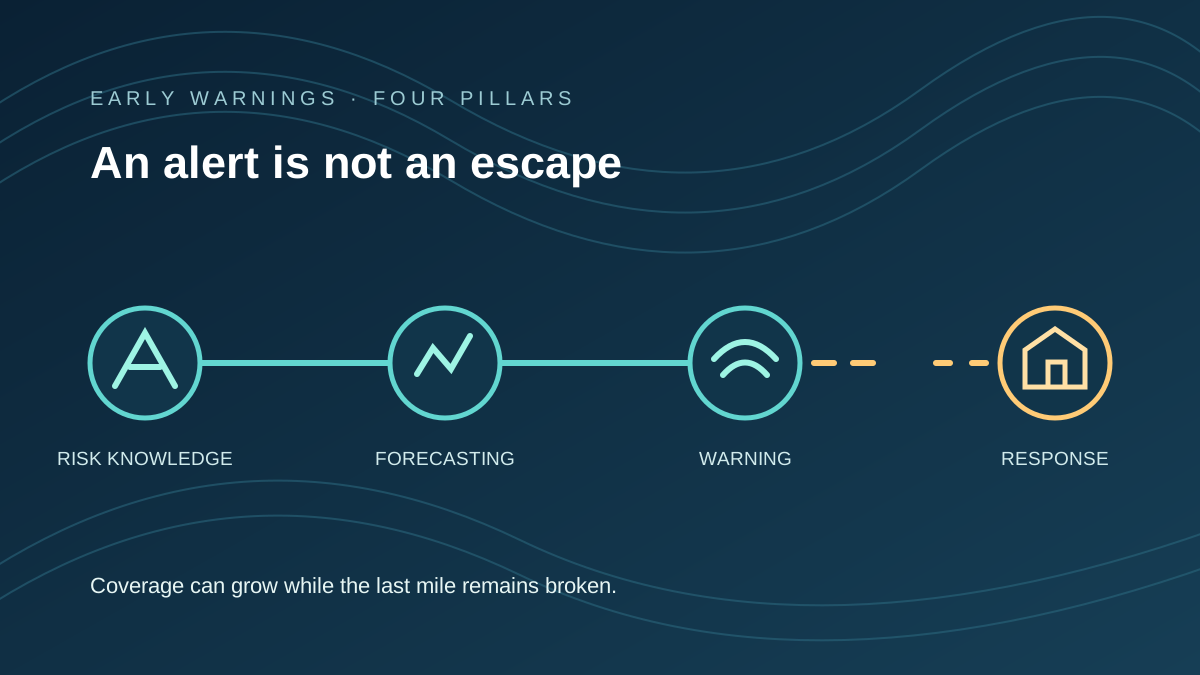
Japan’s government described the agency as responsible for connecting preparedness before a disaster with response during an emergency and restoration and reconstruction afterwards. The launch is therefore about continuity across the disaster cycle, not only about coordinating emergency teams after an earthquake or storm.
Sources: Japan launches new national agency to deal with disasters · 防災庁発足! みんなでつくる、災害に強い社会 · 防災庁設置法
The staffing increase is backed by a new legal structure
Japan’s revised administrative staffing order lists 352 positions for the Disaster Management Agency. Jiji Press, reporting through Nippon.com, says the agency was reorganised from the Cabinet Office division and is intended to strengthen government preparation for major natural hazards.
The agency’s establishing law places it within the Cabinet and sets out responsibilities for planning, coordination and disaster prevention. The disaster-management minister can make recommendations to other government organisations, which are required to respect them. That authority is designed to reduce the friction that can arise when several ministries share responsibility.
Sources: 防災庁設置法 · Japan Launches Disaster Management Agency · Administrative Agency Personnel Quotas Order (effective 2 November 2026)
Japan’s hazard profile makes coordination a national issue
Japan faces earthquakes, tsunami, volcanic eruptions, typhoons, heavy rain and landslides. Officials have highlighted scenarios including a major Nankai Trough earthquake, a Tokyo metropolitan earthquake and a Mount Fuji eruption. These are planning scenarios and hazards, not predictions that a particular disaster is imminent.
The 2011 earthquake, tsunami and Fukushima nuclear accident remain a central reference point for how a disaster can cross administrative boundaries. A single event can require evacuation, transport, energy, health, communications, housing and long-term reconstruction decisions at the same time.
Sources: Japan launches new national agency to deal with disasters · Japan Launches Disaster Management Agency
A stronger centre cannot replace local preparedness
The Associated Press reported that Japan still faces gaps in municipal disaster-management training and in evacuation plans for older people and people with disabilities who may need assistance. These issues are local and operational: a national agency can set policy and coordinate ministries, but local governments and service providers still need trained staff, usable plans and resources.
The difference between a policy framework and readiness becomes visible at the neighbourhood level. Residents need to know where to go, how to receive warnings, how to reach shelters and what support is available if they cannot evacuate independently.
Sources: Japan launches new national agency to deal with disasters · 防災庁発足! みんなでつくる、災害に強い社会
Shelter standards are part of disaster response
The AP report says the new agency also aims to improve evacuation centres, including access to clean toilets, hot meals, baths and beds. Such details can determine whether people can remain safely in a shelter over days or weeks, particularly older residents, families with children and people with health or mobility needs.
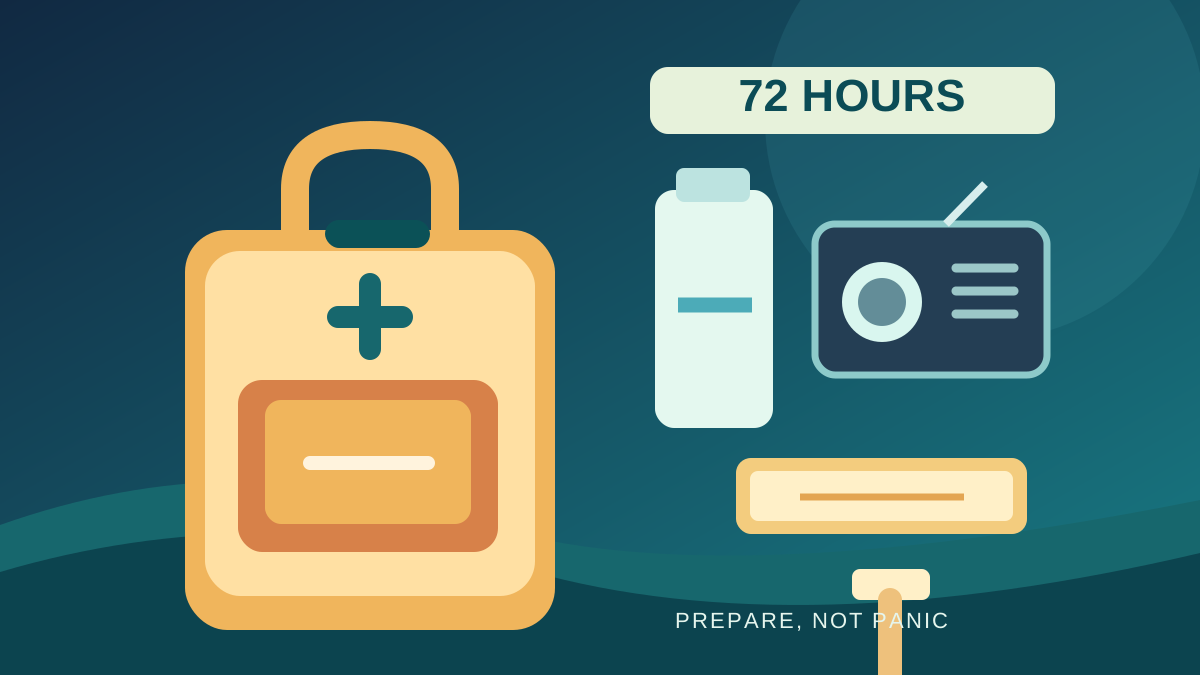
Officials have urged households to check the earthquake resistance of homes, secure furniture, review evacuation plans and store at least three days of water and portable toilets. These recommendations are practical preparedness measures; they do not replace public infrastructure or local support.
Sources: Japan launches new national agency to deal with disasters · 防災庁発足! みんなでつくる、災害に強い社会
How to judge whether the agency is working
The agency’s performance should be measured through observable outcomes: how quickly ministries share information, whether local governments receive technical support, how many communities have usable evacuation plans, and whether shelters meet basic needs during prolonged disruption.
The next milestones include the agency’s internal coordination, the development of regional support structures and the training of disaster-management personnel. The launch establishes an institutional centre. The more difficult test is whether that centre improves the experience of residents and local responders before, during and after the next emergency.
Sources: 防災庁発足! みんなでつくる、災害に強い社会 · 防災庁設置法 · Japan Launches Disaster Management Agency