A recommendation to prepare for 72 hours of disruption has been mistaken by some readers for a warning that Brazil faces a disaster in the next three days. Federal authorities say that is not what it means: the kit is ordinary emergency preparation, while genuine weather alerts are issued for specific places and risks.
A three-day supply, not a three-day countdown
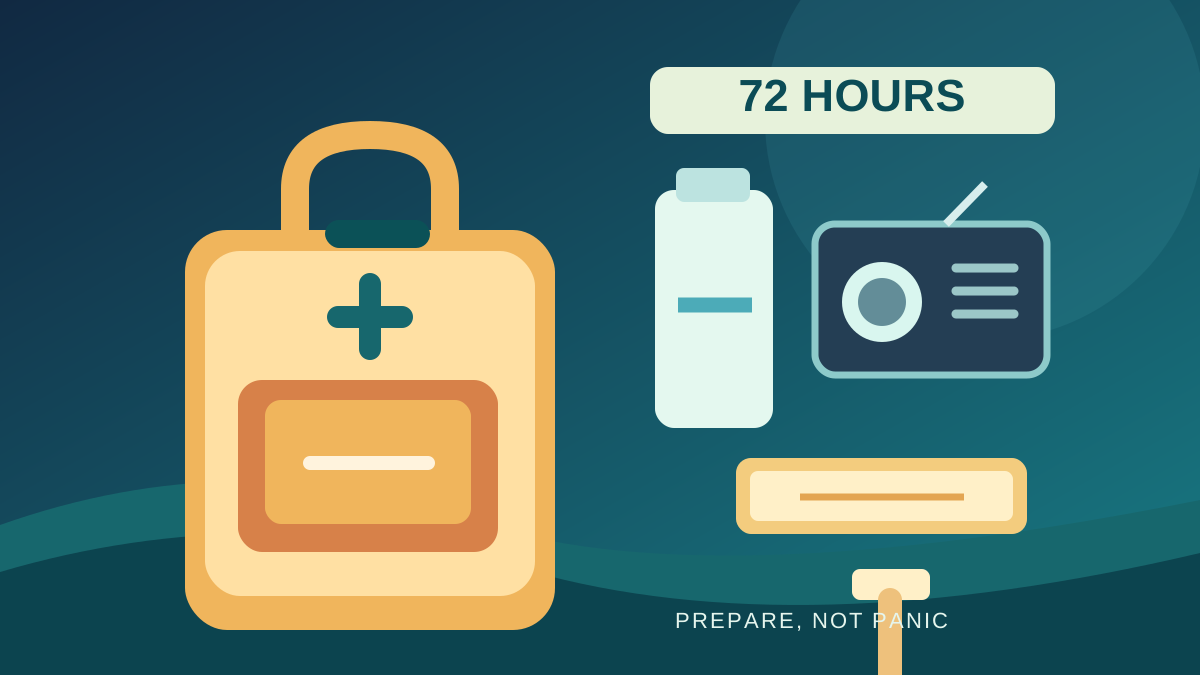
Brazil's National Civil Defence urged households to prepare an emergency kit capable of covering basic needs for 72 hours, then had to clarify an essential distinction: the number describes how long supplies should last if a disaster disrupts normal life. It is not a forecast that a disaster will occur within three days. The guidance circulated on Friday, November 6, and prompted questions about whether officials knew of an impending nationwide emergency.
In a statement published on Saturday, November 7, the Ministry of Integration and Regional Development said the recommendation was strictly preventive. It was not linked to a national alert, an expected general interruption of public services or a predicted shortage of essentials. The ministry also identified earlier versions of similar advice published on March 16, March 29 and April 3. Preparedness, rather than a newly discovered threat, is the point of the message.
Sources: MIDR clarifies emergency kit is preventive and unrelated to national alert · Civil Defence explains viral emergency-kit guidance · National Civil Defence recommends 72-hour household kit
What belongs in the emergency kit?
The guidance begins with drinking water: two litres per person each day, or six litres per person across three days. For a four-person household, that baseline becomes 24 litres. Families should also set aside food that keeps without refrigeration and is simple to eat, such as canned goods, biscuits, cereal bars or dried fruit. The calculation concerns the number of people relying on the kit, not a fixed quantity for every home.
Practical items matter as much as calories. Municipal guidance in Maceió lists a flashlight, spare batteries, a battery-powered radio and portable charger; regular medicines, prescriptions and first-aid supplies; identification documents and emergency contacts in waterproof packaging; hygiene products, spare clothing and some cash. A manual can opener may be useful where canned food is included. Households with babies, older people, disabled residents or pets need to adapt the list rather than treating a generic checklist as sufficient.
Sources: National Civil Defence recommends 72-hour household kit · Maceió Civil Defence says emergency-kit advice does not predict disaster · National Civil Defence explains recommended household supplies
Why officials recommend preparing before a crisis
Flooding can close roads, severe winds can damage electricity lines, and a local outage can affect water supply or mobile communications. Emergency teams may need time to reach isolated communities, particularly when the same weather event has damaged transport routes. A supply kit is intended to help families cover their immediate needs while assistance arrives or services are restored. It cannot remove the underlying hazard, guarantee rescue or make a dangerous building safe.
That explains why the advice is applicable outside an active disaster. Buying a radio or safely storing copies of documents before a storm gives a family more options if communications fail. It is also worth checking expiration dates, rotating food and water when appropriate, and keeping essential medication accessible. These are sensible applications of the official checklist, not evidence that authorities have predicted the next emergency or ordered people to remain at home for three days.
Sources: MIDR clarifies emergency kit is preventive and unrelated to national alert · National Civil Defence recommends 72-hour household kit · Maceió Civil Defence says emergency-kit advice does not predict disaster
The storm warnings are real—but separate
The clarification did not mean Brazil had no weather threats anywhere. On November 7, the National Institute of Meteorology issued a highest-severity, or 'great danger,' storm warning affecting parts of Rio Grande do Sul, Santa Catarina and Paraná. Its bulletin described potential rainfall above 60 millimetres an hour or 100 millimetres in a day, winds above 100 kilometres an hour and hail, with risks including power cuts, flooding and transport disruption. That was a location- and time-specific meteorological warning.
The national ministry acknowledged that it was monitoring weather conditions in southern Brazil with state and federal civil-defence authorities. It urged people in affected places to follow their local alerts and instructions. In other words, two statements can be true simultaneously: a regional storm warning can require immediate action, while a nationwide recommendation to keep emergency supplies is routine prevention. Neither statement should be used to manufacture a countrywide countdown.
Sources: MIDR clarifies emergency kit is preventive and unrelated to national alert · Storm alert: Great Danger, November 7, 2026 · Ministry describes southern storm monitoring and alert mechanisms
What Salvador and other cities clarified
Confusion reached places far from the southern storm warning. Salvador's municipal civil-defence agency, Codesal, said in a November 8 statement that it saw no imminent disaster risk for the city over the next 72 hours. Its response specifically explained that the national kit recommendation was routine and not evidence of a threat to Bahia's capital. Residents could continue normal activities, it said, while taking precautions against high temperatures.
Maceió's civil-defence authority delivered a similar message a day earlier. It explained that a preparedness checklist is different from a warning generated by monitoring a particular risk in a particular location. Such local clarifications do not guarantee the absence of every possible future hazard. They do show why readers should identify who issued a message, which area it covers, and whether it is general advice or an active instruction.
Sources: Maceió Civil Defence says emergency-kit advice does not predict disaster · Codesal note on emergency kit and Salvador conditions · Salvador says kit advice is preventive, not warning of imminent threat
How to recognize an actual warning
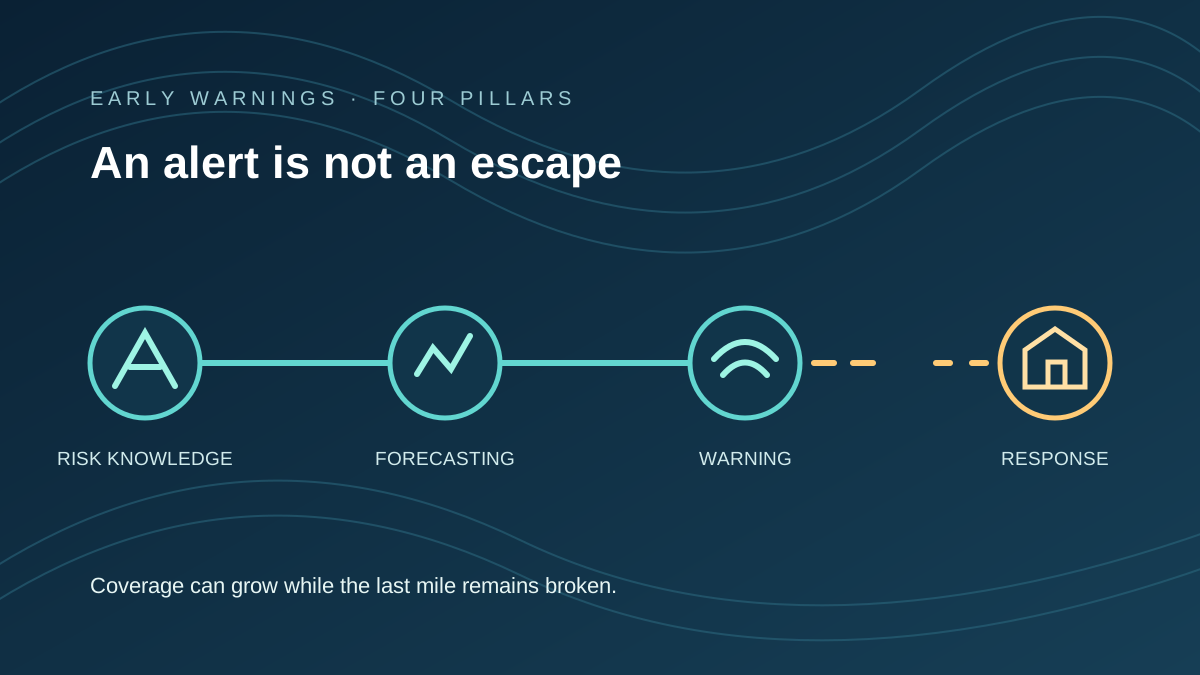
Brazil distributes official civil-defence alerts through several channels. People can register for SMS notifications by sending their postal code, or CEP, to 40199. The ministry also lists WhatsApp, Telegram, subscription television and Google Public Alerts. Compatible phones in identified risk areas may receive Defesa Civil Alerta messages through mobile networks without prior registration. Those targeted notices specify the hazard and protective actions; the general emergency-kit post does not serve the same function.
If a local alert tells people to evacuate, shelter or avoid a flooded road, that instruction takes precedence over any assumption that having three days of supplies makes staying put safe. Residents should consult their municipal and state civil-defence agencies for current conditions. The useful lesson from the online controversy is not that preparing is unnecessary. It is that preparation advice should be read for what it actually says—and not mistaken for a prediction it never made.
Sources: MIDR clarifies emergency kit is preventive and unrelated to national alert · Ministry describes southern storm monitoring and alert mechanisms · Ministry explains how mobile civil-defence alerts work