A customer unable to withdraw cash at a local credit cooperative may not see a connection to dozens of institutions elsewhere. On November 6, that connection became hard to ignore. A shared system used by Japanese shinkin banks failed around 1:30 p.m., interrupting transactions across 128 institutions in western Japan. Banking channels began returning later in the afternoon, and the operator reported a full recovery that evening. The episode raises a question that survives the outage itself: how can community institutions benefit from shared technology without making a common failure everybody's problem?
One shared failure, 128 separate institutions
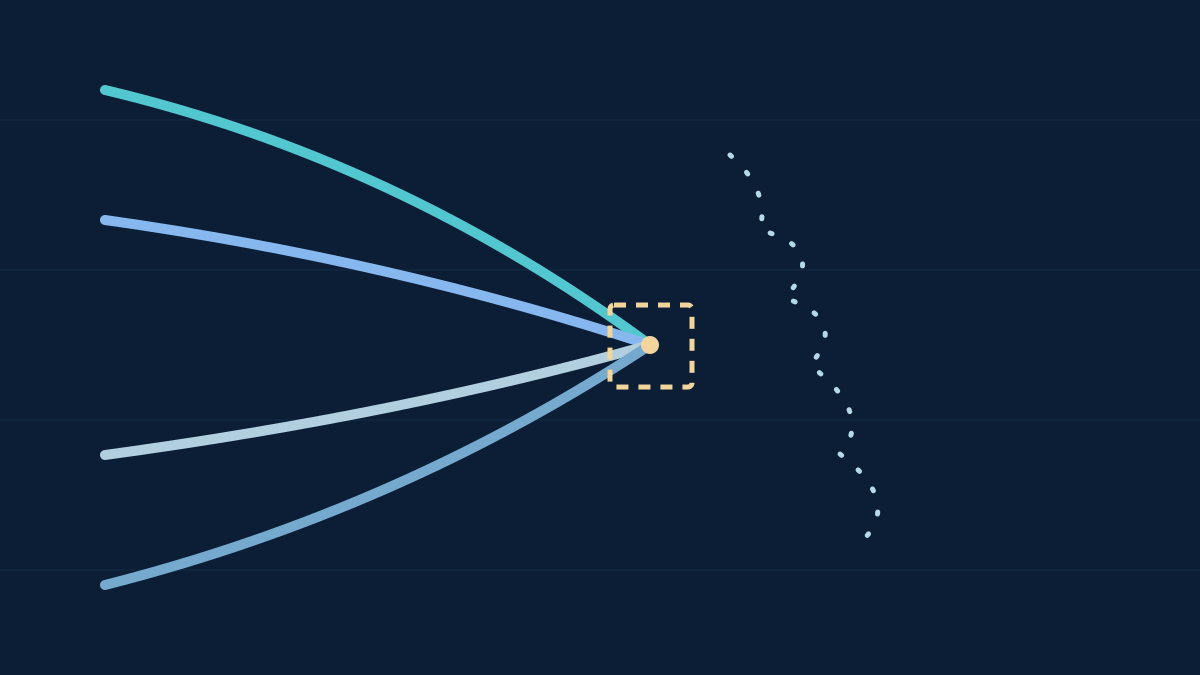
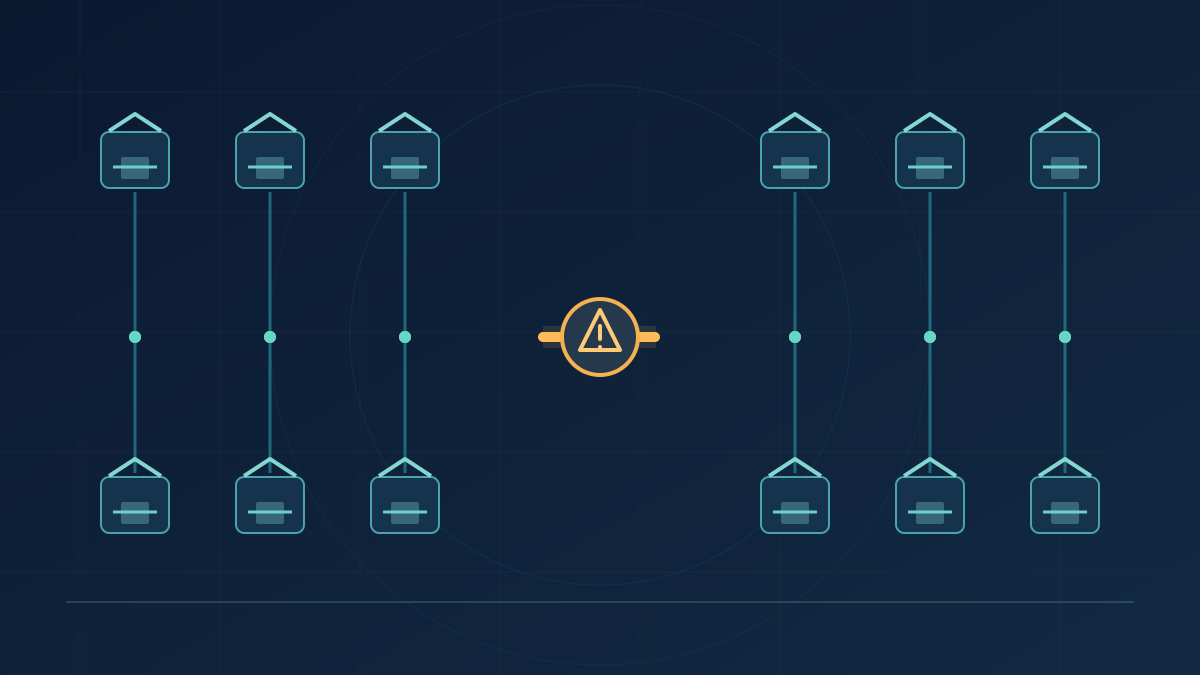
A failure in a shared banking platform disrupted services at 128 Japanese shinkin banks on Friday, November 6, beginning at about 1:30 p.m. Japan Standard Time. The affected institutions were concentrated from the Tokai and Hokuriku regions westward through Kansai, Chugoku, Shikoku and Kyushu. They are separate regional financial cooperatives, not branches of one national bank. A problem in common infrastructure nevertheless interrupted transactions across their networks at nearly the same time.
Hiroshima Shinkin Bank identified the western operating center of the Shinkin Joint Center, and Osaka City Shinkin Bank attributed its interruption to the shared online system. Japanese technology and television reporters confirmed the wider footprint. This makes the event more than a collection of unrelated ATM failures: the common operational dependency is the defining feature of the story.
The number 128 describes institutions affected by the episode, not 128 independently identified technical faults. Nor does it establish that every service at every location failed in precisely the same way or for the same duration.
Sources: オンライン障害の回復について · オンライン取引等の障害に関するお知らせ · 複数の信金でATM利用・振り込みできず──共同システムで障害、128信金に影響か 再開めど立たず · 西日本にある128の信用金庫で入出金などのサービスが利用できず 通信機器のトラブルか 再開のめど立たず
Customers lost more than access to cash
The disruption reached several channels customers normally treat as separate. Osaka City Shinkin Bank said counter services, ATMs, internet banking and even some transactions involving other banks' cash cards could not be used because accounting-related online operations had stopped. Fukui Shinkin Bank listed counter withdrawals and deposits, transfers, balance inquiries, ATMs, its banking app and internet banking among the affected services. Hakusan Shinkin Bank issued a similar warning about its counter, ATM and online channels.
The fact that a banking app, a branch counter and an ATM look different to customers does not mean that they can process account changes independently. Several may need access to the same underlying ledger and transaction-processing systems. When that connection is interrupted, alternative screens or machines may not provide an alternative route to the account. That is an architectural observation, not a finding about the failed component.
For urgent transfers, Osaka City Shinkin Bank advised customers to use a financial institution outside the shinkin network. Customers dealing with an interrupted transaction should verify its status with their own institution rather than assume a failed display proves no instruction was received.
Sources: オンライン取引等の障害に関するお知らせ · システム障害に係るオンライン取引停止について · 【障害連絡】現在オンライン取引ができない障害が発生しております
Why the outage spread across western Japan
Japan's shinkin banks are locally rooted cooperative lenders, but many share technology provided through the Shinkin Joint Center. Contemporary Japanese reporting put participation in the common system at 236 institutions. The center operates its services across eastern and western regional arrangements; reports identified the western side as the affected segment, while eastern operations were reported to be functioning normally during the disruption.
Pooling infrastructure can give smaller institutions access to transaction technology, maintenance and operating capacity that would be costly to duplicate independently. The other side of that arrangement is correlated exposure. A fault in a regional shared service can spread across the customer-facing channels of numerous legally distinct institutions. The geography of the November 6 failure followed the shared platform's operational footprint, not the corporate boundaries of individual banks.
This does not establish that the nationwide system has a literally unique server, or that every component lacks redundancy. The sources did not explain why only the western side was affected. 'Single point of failure' is therefore an operational description of the observed common dependency, not a verified finding about a particular machine.
Sources: 複数の信金でATM利用・振り込みできず──共同システムで障害、128信金に影響か 再開めど立たず · 西日本にある128の信用金庫で入出金などのサービスが利用できず 通信機器のトラブルか 再開のめど立たず · 信用金庫でシステム障害 復旧中も原因は機器の故障か
The recovery timeline changed through the evening
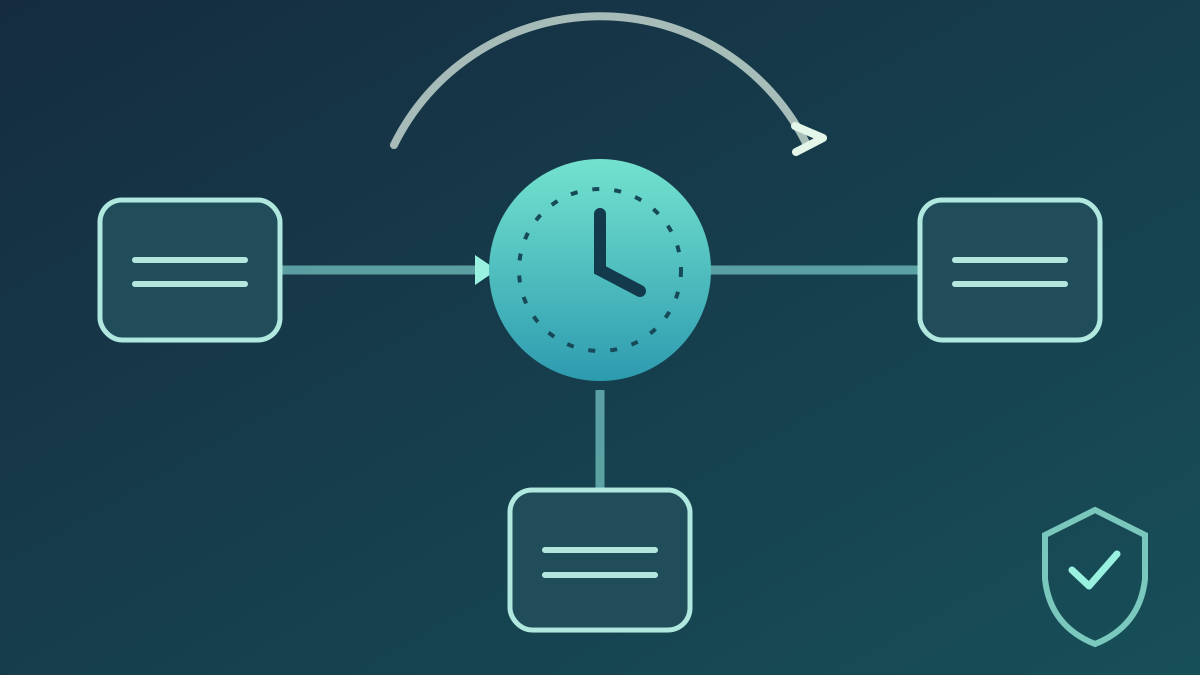
Early-afternoon notices described services as unavailable and gave no restoration estimate. The chronology then began to change. Mizushima Shinkin Bank later replaced its interruption notice with an official recovery message saying that counter and ATM transactions had been unavailable from approximately 1:30 p.m. until approximately 5:30 p.m.; it said its services were again operating normally. That announcement documents recovery at one institution, not automatically at all 128.
A later television report, published at 7:31 p.m., described the state at 6:00 p.m.: ATM deposits and withdrawals had resumed, while transfers to other banks and foreign-exchange-related transactions were still unavailable. Its publication time should not be mistaken for the time of the operational snapshot. At that earlier point, 'ATM restored' did not mean 'all banking operations restored.'
Kyodo News supplied a subsequent and broader update at 7:26 p.m. Japan time: it reported that the Shinkin Joint Center said the failure affecting all 128 institutions had been resolved across all business functions. It is not a separate confirmation from every affected bank, and institutions may still need to reconcile transactions or communicate customer-specific exceptions after the central platform is running.
Sources: オンライン障害の回復について · 信用金庫でシステム障害 復旧中も原因は機器の故障か · 128信金システム障害が復旧
What is known about the cause — and what is not
Reporting based on the center's account pointed to a communications-equipment or device fault as the likely source of the interruption. Broadcasters used qualified descriptions rather than a published final technical postmortem. The center was also reported as considering unauthorized access unlikely. A final technical postmortem was not available.
The existence of a banking outage is not, by itself, evidence of a cyberattack. The reviewed primary notices and news reports disclosed no verified customer-data breach and no loss of customer deposits attributable to this event. Absence of such evidence in these sources is narrower than a claim that investigators have ruled out every possible consequence.
No directly accessible technical incident report from the Shinkin Joint Center, and no case-specific regulator statement, was located in this review. Until there is an authoritative causal account, the accurate wording is that equipment or communications failure was suspected, the reported cyber-intrusion likelihood was low, and detailed root cause remained unverified.
Sources: オンライン障害の回復について · オンライン取引等の障害に関するお知らせ · 西日本にある128の信用金庫で入出金などのサービスが利用できず 通信機器のトラブルか 再開のめど立たず · 信用金庫でシステム障害 復旧中も原因は機器の故障か
The resilience test starts after the system returns
Restoration is an important operational milestone, but it is not the same thing as understanding why a common service failed. The useful next questions are concrete: which shared component stopped responding, what failover measures were available, why some functions returned before others, and how institutions verified pending transfers once normal processing resumed. Answers would help distinguish an isolated hardware incident from a design or recovery weakness.
The incident also demonstrates why customer experience is the right unit of scrutiny. A person standing at a local branch might have no reason to know that the same platform connects their account with institutions hundreds of kilometers away. The benefits of pooling infrastructure are mostly invisible during normal service. The costs of concentration become visible when independent-looking access points go down together.
The November 6 event is not evidence that shared banking infrastructure is inherently unsafe or that deposits vanished. The center's evening recovery report closes the immediate outage story; the unanswered engineering and resilience questions remain the next story to investigate.
Sources: オンライン障害の回復について · オンライン取引等の障害に関するお知らせ · 信用金庫でシステム障害 復旧中も原因は機器の故障か · 128信金システム障害が復旧